
For the pragmatic pressure washing professional, the phrase “more pressure is better” often rings hollow. It is a common misconception, a siren song leading to costly mistakes like splintered decks, etched concrete, or damaged siding. Ultimately, these issues can tarnish a hard-earned reputation. As a precision cleaning expert and efficiency strategist, my perspective is clear: true mastery of power washer high pressure is not about raw force, but about surgical precision.
This in-depth guide is engineered to arm you with the principles, applications, and critical safety considerations required to leverage high pressure effectively with a power washer. Our objective is to enable you to achieve superior cleaning results without incurring damage, ensuring every job contributes to your profitability and impeccable professional standing.
Mastering power washer high pressure is undeniably key to achieving deep, efficient cleaning and maximizing profitability. However, it demands precise application knowledge and strict adherence to safety protocols to protect both surfaces and personnel. This foundational understanding is what separates the skilled trade professional from the amateur, ensuring not just a clean surface, but a pristine, undamaged one, every single time.
The Foundation of Professional Pressure Washing: Understanding High Pressure
In the competitive landscape of professional pressure washing, the perceived simplicity of “high pressure” belies a sophisticated interplay of variables. It is not merely about unleashing raw kinetic force; it is about the precise application of that force. This ensures it acts as a highly effective, yet controlled, cleaning agent. For the astute professional, high pressure is a tool for transformation, not destruction, requiring an expert hand and an informed mind.
The Expert Approach: Balancing Power, Precision, and Responsibility
The professional’s mindset, cultivated through experience and a commitment to excellence, inherently balances raw power with crucial considerations of efficiency, safety, and surface integrity. Every job is a calculated engagement where the goal is maximal grime removal with zero collateral damage. This delicate equilibrium is the hallmark of a true expert, distinguishing them from those who view a power washer as a mere point-and-spray device. Achieving this balance directly translates into reduced re-work, minimized material waste, and, crucially, enhanced client satisfaction. These are all pillars of a profitable, sustainable business.
What Sets Professionals Apart: Technique Over Guesswork
Key differentiators between professional-grade high pressure use and typical DIY approaches are stark. While a homeowner might select a single nozzle and blast away, a professional systematically assesses surface material, grime type, and the surrounding environment. They understand the nuances of various high pressure cleaning techniques, know how to regulate pressure precisely, and are acutely aware of the potential for surface damage. Their equipment is often more robust, offering greater control over PSI (Pounds Per Square Inch) and GPM (Gallons Per Minute), enabling them to match the output to the specific demands of the task. This systematic, knowledge-driven approach ensures consistent effective cleaning without compromise.
High Pressure Mastery as a Business Advantage
Ultimately, there is a direct and undeniable link between mastering power washer high pressure and building a profitable, reputable business. Each undamaged surface, each perfectly cleaned driveway, and each satisfied client reinforce your brand as a reliable, skilled partner. Minimizing the risk of surface damage means avoiding costly repairs, insurance claims, and negative reviews. Maximizing efficiency through precise application reduces job times, allowing for more projects and higher revenue. This is not just about cleaning; it is about strategic business growth fueled by technical proficiency and an unwavering commitment to safety.
The Science of High Pressure: PSI, GPM, and Nozzle Dynamics
Understanding the underlying physics of your power washer is non-negotiable for achieving professional results. It is the difference between merely operating a machine and truly mastering the art of high pressure cleaning techniques. This section delves into the core components that dictate your cleaning power and precision.
Understanding PSI (Pounds Per Square Inch): The Force Factor
PSI, or Pounds Per Square Inch, is the most commonly referenced metric when discussing power washer high pressure. It quantifies the force at which water exits the nozzle. In simple terms, it is the sheer push behind the water stream, dictating its ability to dislodge dirt, grime, and other contaminants from a surface. Higher PSI values indicate a more concentrated and impactful stream.
However, a dangerous misconception for new pros is the belief that “more PSI is always better.” This is a perilous path that often leads to irreversible surface damage, costly re-work, and significant reputational harm. An excessive PSI can etch concrete, splinter wood, strip paint, and even penetrate delicate materials like vinyl siding, leading to water intrusion and mold growth behind the façade. The goal is not maximum force, but optimal force – just enough to clean effectively without causing harm.
To truly master power washer high pressure, a professional must understand the recommended PSI ranges for various applications.
Low Pressure Applications
For delicate surfaces such as painted wood, stucco, outdoor fabrics, or light vehicle washing, low-pressure applications are paramount. This typically involves PSI ranges from 500 to 1200 PSI. Often, this is achieved through a technique known as “soft washing,” which relies more on the chemical action of detergents applied at low pressure, followed by a gentle rinse. The aim here is to remove organic growth like algae and mold without stressing the underlying material. A common example is applying a house wash mix to vinyl siding at approximately 800-1000 PSI to lift dirt and organic stains, followed by a thorough rinse.
General Cleaning Applications
For more robust surfaces that require a bit more force but are still susceptible to damage, such as vinyl siding, composite decks, or general patio cleaning, PSI ranges typically fall between 1200 and 2000 PSI. This range provides sufficient power to remove common dirt, grime, and mildew without the aggressive impact that can scar or splinter. For instance, cleaning a stained wooden deck might involve a starting PSI of 1200-1500, carefully observing the wood’s reaction, and increasing only if necessary, paired with a wider fan spray nozzle.
Heavy-Duty Applications
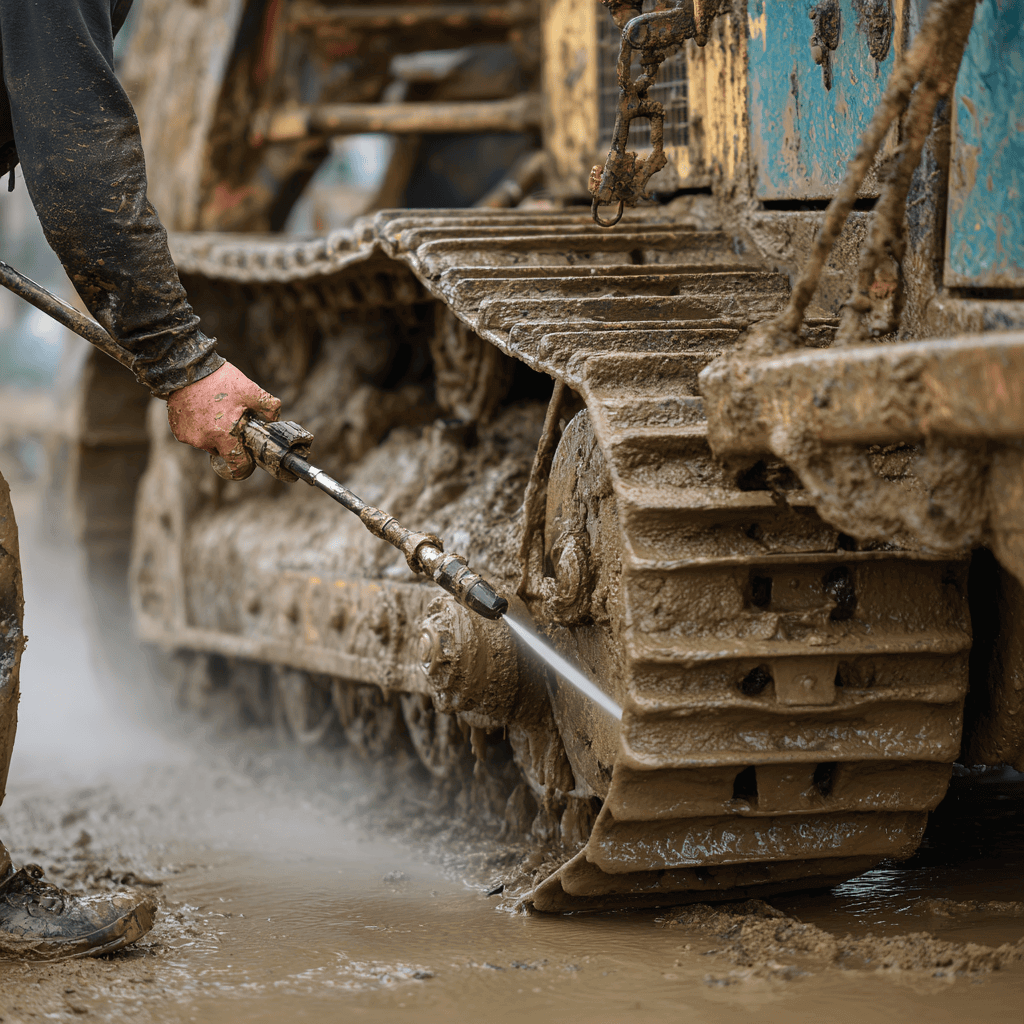
When tackling extremely durable surfaces or very stubborn contaminants, such as old concrete driveways, masonry, brick pavers, or heavy-duty industrial equipment, high pressure cleaning techniques can utilize PSI ranges from 2500 to 4000+ PSI. This level of force is suitable for removing deep-seated oil stains, rust, caked-on mud, or even some graffiti. However, even at these higher pressures, proper nozzle selection and technique are critical to avoid etching patterns into the surface or dislodging mortar from brickwork. A surface cleaner, often used on concrete, distributes this high PSI evenly over a wider area, preventing zebra striping.
The effect of PSI on different grime types is immediately apparent. For instance, a light green algae film on siding might only require 800-1000 PSI to lift away, especially when combined with a pre-treatment. Conversely, a decades-old, deeply embedded oil stain on concrete might necessitate 3000 PSI or more, possibly with a degreaser and a turbo nozzle for mechanical agitation. Graffiti on a masonry wall might call for specialized chemical pre-treatment and then a precise, high-PSI rinse, potentially using an abrasive blasting attachment. The key is never to over-power the grime, but to match the force required for effective cleaning.
Understanding GPM (Gallons Per Minute): The Flow & Speed Factor
While PSI gets the spotlight, GPM, or Gallons Per Minute, is the unsung hero of cleaning efficiency and speed, often underestimated by new professionals. Where PSI dictates the force of the stream, GPM dictates the volume of water being delivered. In practical terms, higher GPM means you can rinse faster, cover more area, and clear away dislodged contaminants more efficiently.
GPM and Job Efficiency: Time Is Money
GPM directly impacts your operational throughput. A higher GPM unit will allow you to rinse away detergents and loosened grime significantly faster, reducing the time spent on each job. This translates directly into more jobs per day and increased profitability.
Moreover, the effectiveness of chemical application, particularly for rinsing, is heavily reliant on sufficient GPM. A powerful detergent applied to a dirty surface requires an adequate volume of water to thoroughly flush it away, preventing residue or streaking. If your GPM is too low, you will find yourself moving agonizingly slowly, doing multiple passes, and still struggling to achieve a truly clean rinse.
PSI and GPM: A Synergistic Relationship
The synergistic relationship between PSI and GPM is fundamental to achieving optimal cleaning results without excessive water waste or surface damage. A high PSI with low GPM might create a very strong, cutting stream, but it will not effectively flush away debris. Conversely, high GPM with low PSI (like a garden hose) will rinse, but lacks the force to dislodge tough grime.
The ideal setup combines sufficient PSI for impact with ample GPM for efficient rinsing and coverage. This balance minimizes water consumption per square foot while maximizing cleaning power.
Equipment Selection: Matching GPM to Your Demands
When selecting your pressure washing equipment, choosing the right pump and engine size for the desired PSI/GPM output is critical. Professional-grade machines typically offer a range from 3.0 GPM to 8.0+ GPM, paired with engines sized to power the pump effectively at its rated output.
A powerful engine is essential to maintain consistent PSI and GPM under load, ensuring unwavering performance throughout the cleaning process.
Nozzle Selection: Shaping the High Pressure Spray
The nozzle is arguably the most critical component in controlling your power washer’s high pressure and transforming raw force into precise, effective cleaning power. It fundamentally shapes, concentrates, and directs the high pressure stream, allowing you to customize the spray pattern and intensity for virtually any cleaning task or surface material. Ignoring proper nozzle selection is akin to performing surgery with a sledgehammer.
Here is a comprehensive guide to standard nozzle types and their specific applications, an essential part of any pressure washer PSI guide:
0-Degree (Red) Nozzle: The Pinpoint Striker
This nozzle produces an extremely concentrated, pinpoint stream of water. It delivers the maximum impact for a given PSI, making it incredibly powerful. However, it is also the most dangerous nozzle, capable of causing severe injury, etching surfaces instantly, and permanently damaging materials. Its professional use is limited to highly specific, highly durable applications such as removing exceptionally stubborn spot stains on concrete or rust on bare metal, always with extreme caution and never on any delicate surface.
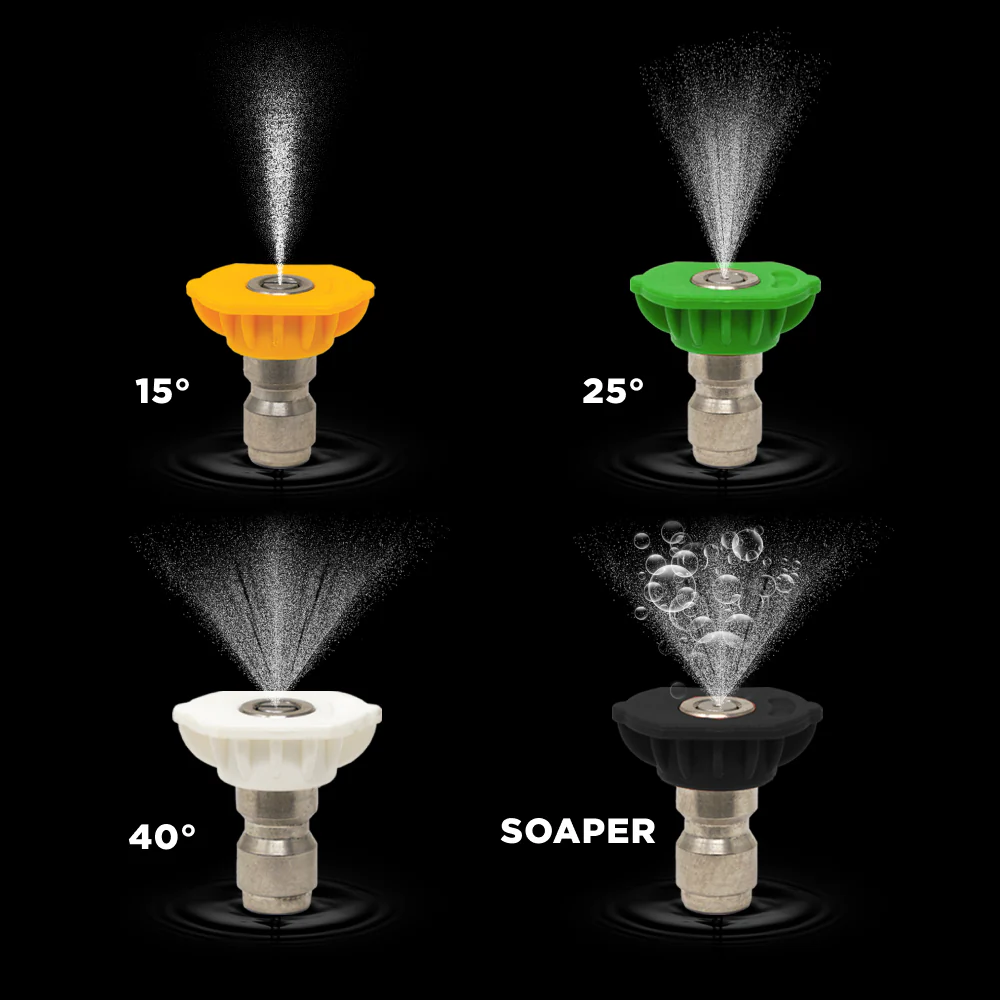
15-Degree (Yellow) Nozzle: The Cutting Edge
The 15-degree nozzle creates a narrow, fan-shaped spray. It offers a significant amount of concentrated force, making it effective for stripping paint, removing heavy dirt, deep cleaning concrete, or preparing surfaces for resurfacing. While powerful, its fan pattern makes it safer than the 0-degree nozzle for broader applications, provided sufficient stand-off distance is maintained. It is often used for targeted, aggressive cleaning of durable surfaces.
25-Degree (Green) Nozzle: The All-Purpose Workhorse
This is often considered the most versatile nozzle for general cleaning tasks. The 25-degree nozzle produces a wider, 25-degree fan spray, reducing the intensity of the water stream while still providing ample cleaning power. It is ideal for a wide range of applications, including cleaning driveways, walkways, fences, and most siding materials when used with appropriate PSI and stand-off distance. Its balanced spray pattern makes it a go-to for effective cleaning on many different surfaces.
40-Degree (White) Nozzle: The Gentle Giant
The 40-degree nozzle delivers the widest, gentlest fan spray among the standard tips. It disperses the pressure over a larger area, making it suitable for delicate surfaces such as vehicles, boats, windows, or light rinsing tasks. While less aggressive, its high GPM output can still be very effective for flushing away loose dirt and detergents without risk of damage, embodying the principles of soft washing even with a high pressure machine.
Rotating (Turbo) Nozzle: The Aggressive Cleaner
The rotating, or turbo, nozzle is a specialized tip that combines the cleaning power of a 0-degree stream with the coverage of a wider fan. It achieves this by creating a rapidly spinning, concentrated stream that effectively oscillates impact points. This makes it incredibly efficient for aggressive cleaning of durable surfaces like concrete, brick, and heavily stained pavers, quickly breaking down tough grime without the linear streaking common with fixed 0-degree nozzles. However, due to its concentrated power, it must be used with caution and not on delicate materials.
Matching the correct nozzle degree to diverse cleaning tasks and surface materials for maximum efficacy and damage prevention is paramount. For example, cleaning a vinyl fence requires a 40-degree or 25-degree nozzle at a lower PSI, while a heavily stained concrete sidewalk might benefit from a 25-degree or even a turbo nozzle at higher PSI.
Beyond the spray pattern, the nozzle’s orifice size also profoundly impacts the delivered PSI and GPM at the point of impact. A smaller orifice size for a given pump output will result in higher PSI but potentially lower GPM at the nozzle, as the water is forced through a tighter opening. Conversely, a larger orifice size will yield lower PSI but higher GPM. Understanding this relationship is crucial for precisely tuning your output.
Finally, specialized nozzles like soaping nozzles (often black or larger orifice) are designed to apply detergents at very low pressure. They effectively bypass the main high pressure cleaning stream for chemical application. Chemical injector nozzles facilitate the drawing of cleaning solutions into the water stream, ensuring proper dilution and delivery for pre-treatment and post-treatment. These are vital tools in the professional’s arsenal for enhancing cleaning power without relying solely on brute force.
The Interplay: PSI, GPM, and Nozzle for Calculated Cleaning Power
The true professional understands that a power washer high pressure is a dynamic system, not a static number. The effective cleaning force delivered to the surface is a direct result of the interplay between PSI, GPM, and nozzle selection. It is not enough to know your pump’s rated PSI; you must understand the pressure at the tip, influenced by your chosen nozzle.
Cleaning Units (CU): A More Complete Picture
A fundamental concept is “Cleaning Units” (CU), which is simply PSI multiplied by GPM. This formula offers a more holistic view of a machine’s actual cleaning capability. For instance, a 3000 PSI, 4 GPM machine (12,000 CU) generally cleans faster and more effectively than a 4000 PSI, 2 GPM machine (8,000 CU) on large, flat surfaces. This is precisely because of the higher volume of water, facilitating faster rinsing and coverage. While the 4000 PSI unit delivers a higher impact force at the nozzle, the 3 GPM unit often delivers superior overall cleaning efficiency for many tasks due to its flow.
Managing Pressure Loss and System Efficiency
Techniques for achieving consistent, desired pressure at the cleaning surface, not just at the pump output, include factors like hose length and diameter, which can cause pressure drops. A longer, narrower hose will result in more friction loss and a lower effective PSI at the nozzle. Regular inspection for kinks or damage is also critical. Utilizing an adjustable unloader valve allows for fine-tuning the pump’s output pressure to perfectly match the demands of the surface.
Adapting Tools to the Task: Real-World Scenarios
Consider a real-world scenario: you are cleaning a large concrete patio with embedded grime. You start with a 4000 PSI, 4 GPM machine and a 25-degree nozzle. You notice the grime is coming up, but it is slow. If you switch to a turbo nozzle, the localized impact increases dramatically, potentially speeding up the process, but also increasing the risk of etching if not moved consistently.
Alternatively, if you find the concrete is relatively clean but needs a quick rinse, switching to a 40-degree nozzle or even reducing the PSI via an unloader valve would maintain GPM for efficient rinsing without excessive, unnecessary force. This ability to adjust and adapt is the essence of professional high pressure cleaning techniques.
Protecting Delicate Surfaces Through Adjustment
Imagine you are tasked with cleaning an aging cedar deck. Your standard approach for wood is typically 1200-1500 PSI with a 25-degree nozzle. However, upon testing an inconspicuous area, you observe slight “fuzzing” – the raising of wood fibers – indicating the pressure is too high for this particular deck’s condition.

A knowledgeable professional would immediately lower the PSI to perhaps 800-1000, switch to a 40-degree nozzle to further diffuse the spray, and potentially increase the stand-off distance. This precise adjustment, informed by understanding PSI, nozzle, and their combined effect on the surface, prevents irreversible damage and ensures a pristine outcome, safeguarding your reputation and avoiding costly re-work.
High Pressure Cleaning Techniques for Diverse Surfaces
The hallmark of a proficient pressure washing professional is the ability to adapt high pressure cleaning techniques to an incredibly diverse array of surfaces and grime types. There is no one-size-fits-all solution; precision and thoughtful application are paramount to achieving efficient cleaning without causing damage, preventing re-work, and ensuring utmost client satisfaction.
Pre-Assessment and Preparation: The Professional’s First Step
Before any high pressure stream touches a surface, the professional engages in meticulous pre-assessment and preparation. This is not merely a suggestion; it is the absolute foundation for damage prevention and a guarantee of professional outcomes.
Surface Identification: Knowing What You’re Cleaning
Systematic surface identification is crucial. This involves discerning the material type – whether it is porous concrete, soft cedar, delicate vinyl, or robust brick. Understanding its porosity, age, and any previous finishes (e.g., stained wood, painted stucco) is vital. An older, weathered concrete surface might behave differently under pressure than freshly poured concrete.
Contaminant Analysis: Matching Method to Material
Thorough grime assessment follows. Identifying the type of contamination – be it organic growth like mold and algae, mineral stains like rust or efflorescence, or oil and grease – dictates the appropriate PSI, nozzle, and often, the necessary chemical pre-treatment. The depth of contamination also plays a role; superficial dirt requires less aggressive methods than deeply ingrained stains.
Test Patches: A Non-Negotiable Step
Testing an inconspicuous area before proceeding cannot be overstated. This is a non-negotiable step for damage prevention and client satisfaction. A small, hidden patch of the surface allows you to gauge the material’s reaction to your chosen PSI, nozzle, and technique. Observing for any signs of etching, splintering, streaking, or discoloration allows for immediate adjustment, preventing widespread damage.
For instance, a client has an unknown composite deck material. Before cleaning the entire deck, you test a small, hidden corner under a potted plant with a 1500 PSI, 25-degree nozzle, only to find it leaves faint streaking. This pre-test allows you to pivot to a 1000 PSI, 40-degree nozzle approach, saving the entire deck from irreparable marks and maintaining your professional standing.
Protective Measures: Safeguarding Surroundings
Finally, strategic protection of surrounding areas, delicate landscaping, windows, and electrical components is a critical pre-job task. Covering sensitive plants, taping off electrical outlets, and ensuring windows are securely closed to prevent overspray damage and accidental hazards. This attention to detail reflects pressure washer safety tips in practice and your commitment to property care.
Concrete & Masonry Cleaning: Heavy-Duty Applications
Concrete and masonry surfaces, while robust, still demand specific high pressure cleaning techniques. For driveways, patios, sidewalks, brick pavers, and block walls, the key is to clean deeply without etching, scoring, or damaging the substrate.
Effective strategies for tackling common concrete issues like oil stains, mildew, efflorescence (white, powdery mineral deposits), and tire marks often involve a combination of high pressure washer PSI guide adherence, and chemical application. For widespread mildew, a pre-treatment with a dedicated concrete cleaner or a diluted bleach solution can dramatically loosen the organic growth, allowing for lower PSI cleaning. For oil stains, a professional-grade degreaser is essential, given appropriate dwell time before high pressure rinsing.
Optimal PSI ranges for concrete typically fall between 2500 and 4000 PSI, often utilizing 25-degree nozzles or, for very stubborn spots, a rotating (turbo) nozzle. For brick pavers or block walls, it is crucial to be mindful of the mortar; excessive direct pressure can erode it. Using a wider fan nozzle and maintaining a consistent distance is key.
For large, flat concrete areas, using a surface cleaner is paramount for maximizing efficiency and achieving uniform, streak-free results. These attachments evenly distribute power washer high pressure over a wide area, preventing the “zebra striping” that often occurs with a single wand. They dramatically reduce cleaning time and produce a far more aesthetically pleasing finish.
Deck & Wood Cleaning: Balancing Power and Preservation
Cleaning decks and wood surfaces demands a delicate touch, as these materials are highly susceptible to damage from excessive power washer high pressure. Distinguishing between soft washing principles and direct high pressure application is vital for various wood types, including cedar, redwood, pressure-treated pine, and even composite materials.
Techniques to prevent common wood damage such as splintering, fuzzing (raising of wood fibers), raised grain, and permanent streaking, focus on control. For most wood, a PSI range of 800 to 1500 PSI is generally recommended, often paired with a 25-degree or 40-degree nozzle. The emphasis is on proper stand-off distance (typically 12-18 inches), a consistent spray angle, and smooth, overlapping strokes. Never allow the spray to dwell in one spot, and always work with the grain of the wood. Composite decks are often less forgiving than natural wood and may require even lower pressure.
After cleaning, the application of wood brighteners and restorers can significantly enhance the appearance of the wood. This can neutralize tannin stains, restore natural color, and prepare the surface for sealing or staining.
Siding & Exterior Walls: Gentle Yet Effective Cleaning
Cleaning siding and exterior walls requires specific high pressure cleaning techniques adapted for various materials like vinyl, aluminum, stucco, painted surfaces, and brick veneers. The primary concern here is preventing water intrusion behind the siding, paint damage, or dislodging sections of the material.
Implementing soft washing principles is often the preferred method for siding. This involves using very low pressure (typically 500-1200 PSI, achieved with a black soaping nozzle or a dedicated downstream injector) combined with a high volume of water (higher GPM) and appropriate cleaning solutions. The detergents do the heavy lifting, dissolving algae, mold, and dirt, which are then gently rinsed away. This minimizes mechanical force, greatly reducing the risk of water getting behind panels or damaging delicate surfaces.
The importance of working from top to bottom cannot be overstated, as this prevents lap marks and ensures dirty water flows away from already cleaned areas. Using controlled, overlapping strokes ensures uniform coverage and prevents missed spots or streaking. This approach is particularly effective for addressing common siding contaminants such as algae, mold, dirt, and insect nests.
Vehicle & Equipment Washing: Precision and Care
Safe and effective high pressure cleaning for cars, trucks, RVs, boats, and heavy machinery demands extreme precision and care. This prevents paint damage, clear coat etching, or damage to decals and electrical components.
For vehicles, utilizing low pressure application via foam cannons for pre-soaking with specialized detergents is a cornerstone. This allows the soap to dwell and encapsulate dirt without the need for immediate high pressure impact. When rinsing, selecting extremely precise nozzles, such as a 40-degree or even a wider 65-degree rinse nozzle, is critical. The PSI must be carefully controlled, generally not exceeding 1200-1500 PSI for most automotive finishes, and always maintaining a generous stand-off distance.

Techniques for undercarriage cleaning can use slightly higher pressure, but engine bay detailing requires extreme caution. This often relies more on degreasers and manual agitation, with only light, diffused rinsing around sensitive electrical components. The goal is always effective cleaning without jeopardizing the vehicle’s finish or electrical systems.
Specialized Applications: Tackling Unique Challenges
Beyond standard surfaces, professionals encounter unique cleaning challenges that demand specialized high pressure cleaning techniques and equipment.
For instance, abrasive blasting attachments, such as wet sandblasting kits, can be attached to a pressure washer to mix sand or other abrasive media into the high pressure stream. This significantly enhances the cleaning power, making it effective for aggressive tasks like rust removal from metal, stripping old paint from concrete, or removing deep-seated stains on masonry that traditional pressure washing cannot touch.
Advanced chemical pre-treatment and post-rinse techniques are vital for stubborn stains like graffiti, rust, or deep-set organic matter. These might involve specialized acidic or alkaline cleaners applied at low pressure, allowed to dwell, and then precisely rinsed. Understanding chemical compatibility with surfaces and the proper neutralization steps is crucial.
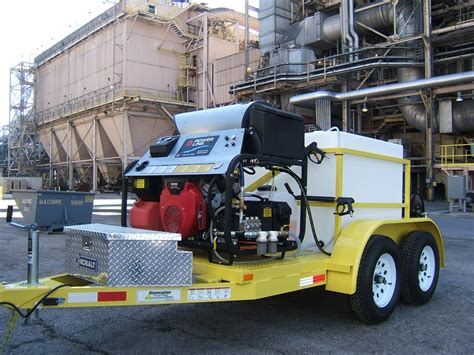
The benefits of using hot water pressure washers for enhanced cleaning power, particularly on grease and oil, are immense. Hot water significantly improves the emulsification of oils and softens caked-on grime, allowing for faster and more effective cleaning with less chemical reliance. This is especially beneficial for commercial kitchens, heavy equipment, and industrial environments.
Optimizing Your Setup for Precision and Efficiency
A professional-grade power washer high pressure system is more than just a pump and an engine. It is an integrated setup where each component plays a critical role in achieving precision, maximizing cleaning efficiency, and ensuring longevity.
Pressure Regulation and Unloader Valves: Mastering Control
The unloader valve is the unsung hero of a pressure washer system, vital for maintaining system pressure and protecting the pump. When the trigger on the spray gun is released, the unloader valve diverts water into a bypass loop. This allows the pump to continue running without building excessive pressure or cavitation, preventing the pump from dead-heading (running against a closed system), which would quickly lead to overheating and damage.
The advantages of adjustable unloaders for fine-tuning PSI output for specific jobs are immense. Unlike fixed unloaders, an adjustable unloader allows the operator to precisely dial down the pressure delivered to the nozzle without changing nozzles or throttling the engine. This is invaluable for transitioning between delicate siding work and robust concrete cleaning with the same machine, ensuring optimal pressure washer PSI guide adherence for every surface.
Understanding the differences between bypass and trapped-pressure unloaders is also beneficial. Bypass unloaders (the most common type) route water back to the pump inlet or a tank, while trapped-pressure unloaders maintain a residual pressure in the hose. Each has its ideal applications, often depending on the pump type and preferred system setup.
Ultimately, a well-tuned unloader valve is critical for extending equipment longevity and ensuring consistent cleaning performance. It prevents undue stress on the pump, hoses, and fittings, reducing wear and tear and minimizing costly downtime, which is the ultimate enemy for a pragmatic pressure washing pro.
Chemical Injection Systems: Enhancing Cleaning Power
Chemical injection systems are indispensable for enhancing cleaning power without relying solely on mechanical force. They allow for the precise application of detergents, degreasers, and other specialized chemicals.
There are two primary methods: downstream vs. upstream (injector bypass) chemical injection.
- Downstream Injection: This is the most common for professional use. The chemical injector is placed after the pump, usually near the pump outlet or at the end of the high pressure hose. When a low pressure (black) nozzle is used on the wand, it creates a Venturi effect, drawing chemicals from a bucket into the water stream. Advantages include simplicity and the fact that chemicals do not run through the pump, protecting pump seals. A disadvantage is that the dilution ratio can be affected by hose length and GPM, and chemical effectiveness is sometimes reduced by the low pressure.
- Upstream Injection: Less common in direct-inject pressure washers, this is more typical in bypass setups or specialized systems, injecting chemicals before the pump. Advantages include achieving higher concentration ratios at the nozzle and often being used with hot water systems for better chemical activation. Disadvantages include chemicals passing through the pump, potentially degrading pump seals over time, thus requiring pump materials compatible with the chemicals.
Guidance on selecting appropriate professional-grade detergents, degreasers, and chemicals for high pressure application is vital. This involves understanding the pH levels, specific active ingredients, and their suitability for different stains and surfaces. Using the wrong chemical can be ineffective or, worse, cause irreversible damage.
Best practices include proper chemical dilution according to manufacturer guidelines and the severity of the grime. Application techniques involve uniform coverage and allowing appropriate dwell times for the chemicals to work, but not so long that they dry on the surface. Environmental considerations, proper disposal of wastewater, and responsible chemical handling are non-negotiable aspects of professional operation.
Hose, Reels, and Accessories: Beyond the Core Unit
While the pressure washer itself is the heart of your operation, the ancillary equipment plays a vital role in operational efficiency, safety, and the quality of your work.
Choosing the right high pressure hose is critical for durability, flexibility, and pressure rating. Hoses come in various PSI ratings and materials (e.g., PVC, rubber, steel-braided). Investing in a high-quality, non-marking hose with an appropriate pressure rating ensures safety and longevity, preventing frustrating blowouts and costly downtime.
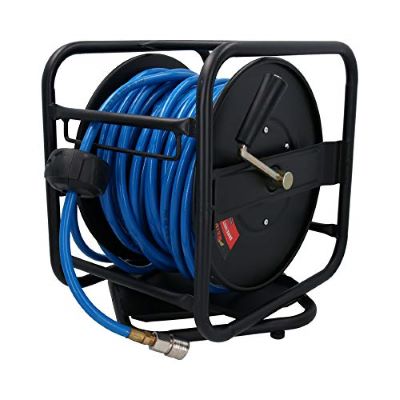
The invaluable benefits of high pressure hose reels for operational efficiency, safety, and hose longevity cannot be overstated. A quality hose reel keeps your hose organized, prevents kinks, speeds up deployment and retraction, and reduces trip hazards on the job site. This directly translates to quicker job completion and a safer work environment.
Optimizing reach and ergonomics with various lances, wands, and extension poles allows professionals to tackle hard-to-reach areas without compromising safety or effectiveness. Telescoping wands, for instance, are indispensable for cleaning two- or three-story houses from the ground, significantly reducing the need for ladders.
Finally, an in-depth look at surface cleaners reveals their transformative power. These rotary attachments, usually with two or three nozzles spinning at high speed within a housing, are designed for large, flat surfaces like concrete driveways, sidewalks, and patios. They maximize efficiency and uniformity, eliminating streak marks and dramatically cutting down cleaning time compared to a standard wand, making them a crucial investment for any pro.
Pressure Washer Safety Tips: Protecting Yourself, Your Clients, and Your Business
Operating power washer high pressure equipment is inherently dangerous if proper precautions are not observed. A single lapse in judgment or an overlooked safety protocol can lead to severe injury, property damage, or costly liability. Protecting yourself, your clients, and your business is paramount. Adhering to these pressure washer safety tips is not merely a recommendation; it is a professional obligation.
Personal Protective Equipment (PPE): Non-Negotiable Safety
Before the engine starts, your PPE must be in place. This is your first line of defense against the hazards of high pressure cleaning.
Mandatory Eye Protection
High-impact goggles and a full face shield are non-negotiable. The high pressure stream can kick up debris, dirt, chemicals, or even small rocks at incredible speeds. Eye injuries can be debilitating and permanent. A face shield offers additional protection for your entire face from splash and ricocheting particles.
Essential Hand Protection
Gloves resistant to high pressure spray and chemicals are vital. A high pressure stream can penetrate skin instantly, causing severe internal damage. Gloves also protect against chemical burns, abrasions and provide a better grip on the spray wand, preventing slips.
Robust Foot Protection
Steel-toed or reinforced boots are crucial. These guard against dropped equipment, which can be heavy, and provide protection should a high pressure stream accidentally come into contact with your feet. Waterproofing is also highly recommended to keep your feet dry and comfortable.
Hearing Protection
Earplugs or earmuffs are necessary to mitigate noise exposure from powerful pressure washer machines. Prolonged exposure to loud engine noise can lead to permanent hearing damage.
Appropriate Work Clothing
Long sleeves, long pants, and waterproof gear (e.g., rain suit, rubber boots) provide comprehensive protection. This prevents skin exposure to high pressure spray, chemical splashes, and abrasive debris. The clothing should also allow for freedom of movement without being baggy enough to get caught in machinery.

Operational Safety Protocols: Before, During, and After
Safety is an ongoing process, not a one-time check.
Comprehensive pre-operation checks are essential. Before starting, inspect all hoses for wear, kinks, or leaks. Ensure connections are tight and check the nozzle for clogs or damage. Verify fluid levels (fuel, oil for gas models) and visually inspect the machine for any integrity issues. A damaged component under high pressure can fail catastrophically.
Establishing and maintaining a secure work zone is paramount. Use barriers, warning signs, and ensure bystander awareness. Keep children, pets, and unauthorized personnel well away from the cleaning area. Clear the area of tripping hazards and loose objects that could become projectiles.
Step-by-step safe starting and shutdown procedures for both gas and electric units must be followed meticulously. Always ensure the water supply is connected and turned on before starting the machine to prevent pump damage. Release trapped air from the system. For gas units, start in an open, well-ventilated area. For shutdown, always turn off the machine, turn off the water supply, and then depress the trigger to relieve residual pressure in the hose and wand.
Maintaining proper stance, grip, and control of the spray wand is crucial to prevent kickback or loss of control, especially when starting the flow of water. Always use two hands on the wand.
Strict avoidance of aiming the spray at people, animals, electrical outlets, or fragile objects is a golden rule. A high pressure stream can cause grievous injury or severe property damage instantly.
Finally, understanding and mitigating risks associated with electrical hazards for electric pressure washers is vital. Always use a GFCI-protected outlet, ensure cords are in good condition, and keep electrical connections dry. Never operate an electric unit in standing water.
Equipment Safety: Preventing Failures and Accidents
Beyond personal safety, equipment safety ensures your tools remain reliable and safe.
Implementing a rigorous schedule for routine inspection of all components is key. This includes checking hoses for wear, cracks, or bulges; inspecting nozzles for clogs or excessive wear (which can alter spray pattern and pressure); and ensuring all connections are leak-free.
Best practices for proper equipment storage, including winterization procedures, prevent freezing damage in colder climates. Draining all water from the pump and hoses or using a pump saver solution is critical to avoid expensive repairs.
A thorough understanding of pressure relief valves and other built-in safety features on your machine is imperative. These are designed to prevent catastrophic over-pressurization. Never bypass or modify safety mechanisms for increased pressure or convenience; doing so negates your insurance, risks equipment damage, and gravely endangers personnel.
Client and Property Safety: Risk Management for Professionals
Professionalism extends beyond the cleaning itself to how you manage risk on a client’s property.
Open and transparent communication with clients about the scope of work, potential risks (e.g., delicate surfaces, potential for overspray), and expected outcomes is foundational. Manage expectations upfront.
The importance of documenting before-and-after conditions (photos/video) for liability protection cannot be overstated. This provides irrefutable evidence of the property’s state before your work and the quality of your finished job, protecting you from unfounded claims of damage.
Proactive measures to protect delicate landscaping, fragile windows, and light fixtures are part of a meticulous process. Taping off vulnerable areas, covering plants, and removing fragile decorations demonstrates a commitment to property care.
Finally, a clear understanding of business liability insurance and its role in protecting your enterprise is non-negotiable. Accidents, despite best efforts, can happen. Robust insurance coverage is your ultimate safeguard against significant financial loss due to property damage or personal injury claims.
Maintenance and Troubleshooting for Uptime and Longevity
For the pragmatic pressure washing pro, uptime is paramount. Every minute your equipment is down is revenue lost and reputation jeopardized. Therefore, meticulous maintenance and effective troubleshooting are as critical as mastering high pressure cleaning techniques themselves. This proactive approach ensures longevity and consistent performance, solidifying your path to financial independence.
Routine Maintenance for High Pressure Systems
Establishing daily, weekly, and monthly maintenance checklists for all components is the cornerstone of proactive equipment management. This systematic approach ensures no critical aspect is overlooked.
Essential fluid maintenance includes regular oil changes for pumps and engines according to manufacturer specifications. This prevents premature wear and ensures smooth operation. Fuel system checks, including inspecting fuel filters and lines, prevent common starting and performance issues.
Preventative care for nozzles is simple but crucial. This includes regular cleaning, checking for wear or enlargement (which can alter spray pattern and effective PSI), and de-calcification if you operate in hard water areas. Worn nozzles can reduce efficiency and lead to uneven cleaning.
Inspecting and maintaining hose and connection integrity is vital to prevent leaks and blowouts. These can lead to significant water waste, lost pressure, and safety hazards. Check for abrasions, kinks, and tight, leak-free fittings.
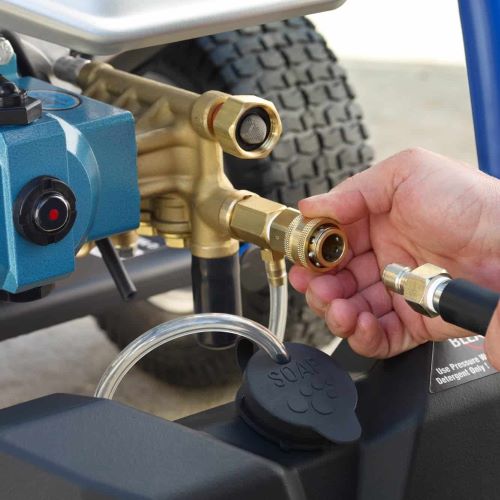
Detailed pump maintenance procedures, including proper winterization and storage, are critical for preserving the most expensive component of your machine. Following the manufacturer’s guidelines for pump oil changes, greasing points, and, crucially, winterizing by flushing with anti-freeze solutions, prevents costly internal damage from freezing water.
Common High Pressure Washer Issues and Professional Solutions
Even with diligent maintenance, issues can arise. Knowing how to diagnose and resolve common problems quickly minimizes downtime.
Loss of Pressure
A sudden loss of pressure can stem from several sources. These include a clogged or worn nozzle (most common), insufficient water supply (kinked hose, low water pressure from tap), air leaks in the inlet line, or issues with the unloader valve (stuck open or faulty). Systematically check these from the easiest to diagnose.
Pulsating Spray
A pulsating or inconsistent spray often indicates air in the line (check all connections for leaks, ensure water supply is steady), a restricted water inlet (clogged filter), or an issue with the unloader valve that is causing it to cycle on and off improperly. Sometimes, a dirty inlet filter screen is the culprit.
Engine Problems (Gas Models)
Common starting issues, sputtering, or power loss in gas models often relate to fuel quality (stale fuel, water in fuel), a clogged fuel filter, a dirty spark plug, or a carburetor issue. Regular fuel stabilizer use and keeping the tank full to prevent condensation can mitigate many of these.
Leaks
Identifying and repairing leaks quickly is important. Leaks can occur at hose connections (tighten or replace O-rings), pump seals (may require professional repair), or hose damage itself (requires hose replacement). Even small leaks reduce effective pressure and waste water.
Unloader Valve Malfunctions
If the unloader valve sticks open, the unit might run at low pressure or continuously bypass. If it sticks closed, the unit will build excessive pressure and likely shut off, or the relief valve will engage. Troubleshooting involves checking for obstructions, springs, or worn seals within the valve itself. This can often be a user-serviceable part, but complex issues may require professional expertise.
When to Seek Professional Help (and the Value of a Trusted Partner)
While basic troubleshooting is part of every pro’s skillset, recognizing when a problem extends beyond routine maintenance or basic troubleshooting is a mark of true professionalism. Attempting complex repairs without the proper tools or expertise can lead to further damage and unnecessary expense.
The critical importance of rapid access to parts and expert technical support to minimize downtime cannot be overstated. When a crucial component fails, the ability to quickly source a replacement and get expert advice on installation means the difference between a minor setback and a significant loss of revenue.
This highlights the value of a reliable supplier who truly understands the operational needs of a pressure washing business. They are more than just a parts vendor; they are a partner. They anticipate your needs, stock common wear items, and provide knowledgeable support when you are facing a critical issue.
Benefits of establishing a long-term relationship with a supplier extend beyond emergency support. They can offer insights into new equipment, provide advice on optimizing your setup, and even offer training opportunities that keep you ahead of the curve. This partnership ensures consistent support and expert advice, fostering your business growth and mitigating the common challenges of equipment-dependent trades.
Building Your Professional Reputation with High Pressure Mastery
Ultimately, the mastery of power washer high pressure is not just a technical skill; it is a strategic pillar for building a thriving, reputable business. It directly impacts your ability to deliver superior results, market your expertise, and cultivate lasting client relationships.
Delivering Superior Results: The Hallmarks of a Pro
The true hallmarks of a professional pressure washer are the tangible outcomes it delivers. This means achieving consistent, uniform, and streak-free cleaning outcomes across diverse projects, from delicate stucco to heavily stained concrete. The finished product should speak for itself – a surface restored to its optimal appearance, free of grime, and perfectly uniform.
This mastery also translates into maximizing water usage efficiency through precise application and proper equipment setup. A pro understands that excessive water use is not only environmentally irresponsible but also a drain on resources and profit margins. They achieve more with less, thanks to intelligent pressure and flow management.
Crucially, a master of high pressure leaves every surface undamaged and pristine, consistently exceeding client expectations. There are no splintered boards, etched marks, or discolored patches. This meticulous attention to surface integrity builds immense trust.
The direct result of such consistent excellence is cultivating client satisfaction, which organically generates positive reviews, valuable referrals, and, most importantly, secures repeat business. A happy client is your best marketing asset.
Training and Continuous Learning: Staying Ahead of the Curve
The pressure washing industry is dynamic, with new equipment, cleaning solutions, and high pressure cleaning techniques constantly emerging. The importance of ongoing professional development and specialized training cannot be overstated. This commitment distinguishes the truly dedicated professional.
Committing to continuous learning about new equipment, innovative cleaning solutions, and evolving industry best practices ensures you remain at the forefront of the trade. Whether it is advanced chemical application, hot water unit operation, or specialized restoration techniques, staying informed allows you to offer more comprehensive services.

Pursuing relevant certifications and adherence to industry standards further bolsters your credibility and demonstrates a commitment to excellence. Certifications often validate your knowledge of safe practices, environmental regulations, and specific cleaning methodologies, providing tangible proof of your expertise to discerning clients.
Marketing Your Expertise: Showcasing Your Precision Cleaning Skills
It is not enough to be skilled; you must effectively market your expertise. Strategies for effectively highlighting your technical knowledge, unwavering safety commitment, and precision in your marketing materials are crucial. Detail your understanding of PSI, GPM, and surface-specific techniques. Emphasize your commitment to surface preservation and professional outcomes.
Building a compelling portfolio of before-and-after photos and videos is a powerful visual testimony to your capabilities. Showcase challenging projects, highlighting the transformation and the perfect, undamaged finish. These visual proofs resonate deeply with potential clients.
Leveraging client testimonials that emphasize reliability, efficiency, and the undeniable quality of your work provides social proof. Encourage clients to share their positive experiences, especially highlighting how you protected their property and delivered superior results compared to their previous experiences or expectations.
The Power of Partnership: Choosing the Right Supplier
Finally, the journey to power washer high pressure mastery and sustained profitability is significantly aided by choosing the right supplier. They are not merely vendors; they are partners in your business success.
Key criteria for selecting such a supplier include their understanding of your business needs, their commitment to providing durable, high-quality equipment as a smart long-term investment that minimizes downtime, and their ability to offer rapid access to parts, expert technical support, and resources for business growth. A supplier who understands that your downtime is their concern will become an invaluable asset. They contribute directly to your uptime, operational efficiency, and, by extension, your bottom line.
By meticulously applying these principles of precision, efficiency, and safety, you not only elevate your cleaning results but also cement your reputation as the go-to professional in your market.
Mastering power washer high pressure is key to achieving deep, efficient cleaning and maximizing profitability. This requires precise application knowledge and strict adherence to safety protocols to protect both surfaces and personnel. This foundational understanding is the bedrock of your professional success.
Enhance your team’s skills: explore our advanced training resources on high pressure cleaning techniques.
More Useful Posts:
- Custom Pressure Washer Cart: Agile Solutions for Tough Job Sites – Custom pressure washer carts provide agility, durability, and efficiency, helping you tackle tough cleaning jobs with ease.
- Demystifying Your Machine: Understanding the Parts of a Pressure Washer – Simplify maintenance and troubleshooting by learning how each component keeps your machine running efficiently.
- Unlocking Profitability with a Heated Power Washer – Maximize revenue and efficiency with faster cleaning and high-value services powered by hot water.
- Hot Pressure Washer Trailer: Mobile Power for Pro Cleaners – Get unmatched cleaning performance and mobility with a professional-grade hot water trailer setup.
- Why an Integrated Hot Water Pressure Washer Trailer is Your Ultimate Mobile Solution – Boost efficiency and reliability with a turnkey system built for fast, powerful, professional cleaning anywhere.
- The Ultimate Edge: Enclosed Pressure Washer Trailers – Protect gear, prevent downtime, and boost professional reliability.