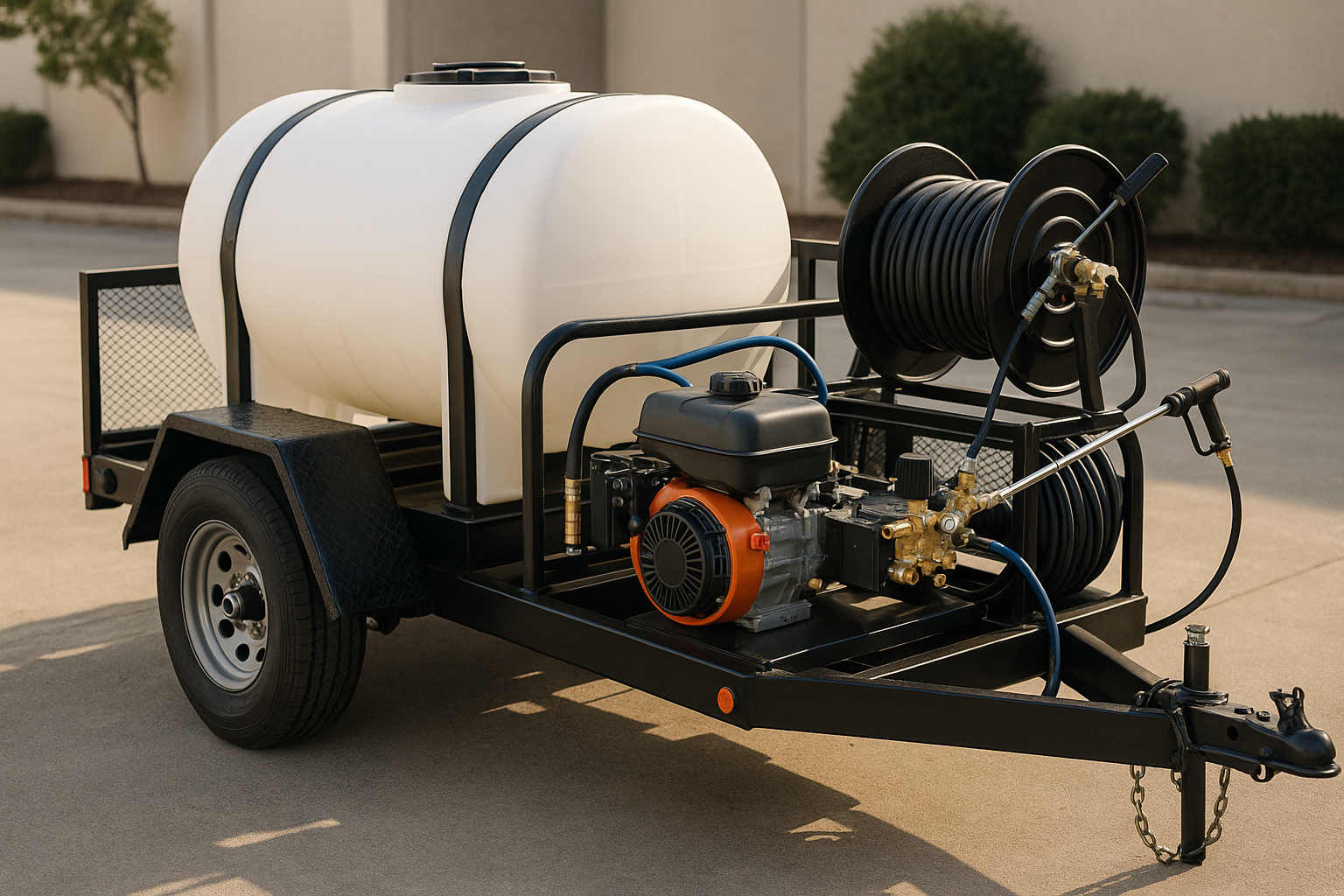
The world of professional pressure washing is anything but static. It is a dynamic, often brutal environment where the integrity of your equipment directly dictates operational success and, ultimately, financial independence. For the pragmatic pressure washing pro, choosing machinery isn’t just about raw power. It is an intricate balance of uncompromising reliability, sustained performance, and long-term value. Standard consumer-grade machines, or even many entry-level commercial units, are simply not engineered to endure the relentless demands of industrial-scale cleaning. They buckle under constant pressure, leading to frustrating breakdowns, lost revenue, and a tarnished reputation.
This is precisely where the industrial power washer enters the arena, not merely as an upgraded tool, but as a purpose-built solution. As a heavy-duty equipment specialist and reliability engineer, I have seen firsthand how these machines stand apart. They are meticulously designed, from their core components to their robust exterior, for continuous, heavy-duty operation in the most demanding environments.
This article will dissect the distinct characteristics, diverse applications, and profound long-term value of these formidable machines. It aims to drive your consideration for them as the bedrock of your professional cleaning arsenal.
An industrial power washer is engineered for continuous, heavy-duty operation in the most demanding environments, representing a vital investment for businesses requiring uncompromising power, durability, and minimal downtime.
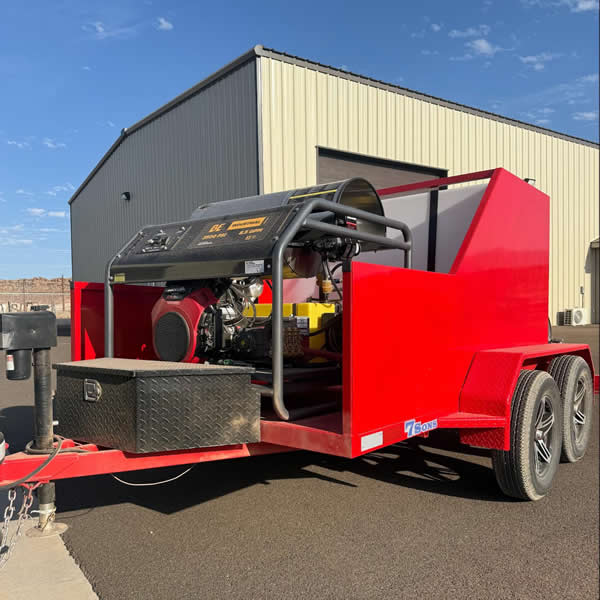
Engineered for Extremes: Decoding the Industrial Power Washer’s Superiority
To genuinely appreciate an industrial power washer, one must first understand its fundamental departure from lesser machines. This is not just about a higher PSI number. It is about a complete engineering philosophy centered on endurance and sustained performance.
Defining the Industrial Grade: More Than Just PSI and GPM
Distinguishing an industrial unit from its commercial or consumer counterparts is crucial. Consumer models are for infrequent, light-duty home use. Commercial units offer a step up, suitable for moderate professional tasks, perhaps 10 to 20 hours a week. However, an industrial power washer is built for a different league entirely, designed for 40-plus hours a week, often for continuous shifts in the harshest conditions.
The hallmark of true industrial-grade equipment is its “continuous duty” rating. This signifies that every component, from the pump to the engine and frame, is designed to operate non-stop for extended periods without overheating, excessive wear, or premature fatigue. For a professional taking on large-scale industrial pressure washing applications that span days or weeks, this continuous duty capability is not a luxury. It is an operational imperative that prevents costly interruptions.
The Heart of the Machine: Industrial Pump Technology
The pump is the soul of any pressure washer, and in heavy duty pressure washer models, it is a masterpiece of engineering designed for longevity under duress.
Triplex Plunger Pumps: Unrivaled Durability and Efficiency
At the core of nearly every high-performance industrial power washer is the triplex plunger pump. Unlike axial or wobble plate pumps found in cheaper units, the triplex design features three ceramic-coated plungers that move in sequence, driven by a crankshaft. This design produces a smoother, more consistent flow with significantly less pulsation, which reduces stress on the pump, hoses, and nozzles.
Crucially, triplex pumps are engineered to run at lower RPMs, generating less heat and friction. This translates directly to extended operational life and superior efficiency in converting engine power into hydraulic force.
Forged Brass Manifolds and Ceramic Plungers: Engineered for Extended Life
The material science behind industrial pumps is critical. Forged brass manifolds are standard, offering far superior resistance to corrosion, cracking, and fatigue compared to the aluminum or composite materials found in less durable pumps. Internally, the plungers themselves are typically solid ceramic.
Ceramic is incredibly hard and smooth, providing exceptional resistance to wear from abrasive particles in the water and reducing friction against the high-pressure seals. This combination dramatically extends the life of the pump and reduces the frequency of costly seal replacements, directly contributing to uptime.
Oversized Bearings and Seals: Built for Prolonged Operation
Every element of an industrial pump is over-engineered. This includes larger, more robust bearings that can handle significant axial and radial loads for thousands of hours without degradation. Similarly, the high-pressure seals are designed with superior materials and larger contact surfaces, ensuring integrity under continuous, high-pressure operation. This meticulous attention to component sizing and material selection prevents common failure points seen in machines not designed for constant use.
Thermal Protection and Unloader Valves: Safeguarding Your Investment
Industrial pumps are equipped with sophisticated thermal protection systems. Should water recirculate through the pump for too long, internal temperatures can rise rapidly. Thermal relief valves automatically discharge a small amount of hot water and introduce cooler water, preventing internal component damage. Paired with industrial-grade unloader valves, which divert water flow and depressurize the system when the trigger is released, these safeguards ensure the pump can withstand the rigors of sustained high-pressure operation, protecting your vital investment.
Powering Through: Robust Engine and Motor Choices
The engine or motor is the brute force behind the pump, and industrial power washers demand power plants built for endurance.
Commercial-Grade vs. Industrial Diesel Engines
While commercial-grade gasoline engines, like Honda GX series or Kohler Command Pro, are excellent choices for many professional scenarios, offering reliability and easy starting, true industrial-scale work often calls for diesel power. Industrial diesel engines are renowned for their exceptional torque at lower RPMs, superior fuel efficiency, and vastly extended lifespans when operating under continuous, heavy loads.
For large-scale industrial pressure washing applications like fleet washing or construction site cleanup, the fuel economy and sheer endurance of a diesel engine can significantly reduce operational costs and extend runtime between refueling. They are the workhorses of the industry, capable of running for entire shifts without complaint.
Designed for Long Run Times and Extreme Conditions
Industrial engines and motors feature heavy-duty cooling systems, oversized air filters to combat dusty environments, and larger fuel tanks to support extended operational periods. Their construction is inherently more robust, built to absorb continuous vibration and operate reliably in harsh weather conditions, from scorching summers to freezing winters.
Efficient Fuel Consumption: Maximizing Operational Periods
Diesel engines, in particular, excel in fuel efficiency compared to their gasoline counterparts, especially under load. This means longer intervals between refueling, which translates directly to more productive uptime on a job site. This is a critical factor when managing large contracts or remote operations.
Direct Drive vs. Belt Drive Systems: Understanding the Trade-offs for Durability
The connection between the engine and pump significantly impacts durability and maintenance.
- Direct Drive Systems: The pump shaft is directly coupled to the engine’s crankshaft. This design is more compact and generally less expensive to manufacture. However, the pump operates at the engine’s RPM, which can lead to faster wear on pump components due to higher heat and friction during prolonged use.
- Belt Drive Systems: A belt and pulley system connects the engine to the pump. The primary advantage here is that the belt can reduce the pump’s RPM significantly. This lower speed results in less heat, reduced vibration, and dramatically extended pump life. The belt also acts as a shock absorber, protecting the pump from sudden engine surges. While belt-driven units are generally larger and have slightly more power loss due to friction in the belt, their enhanced durability and longer service intervals often make them the preferred choice for commercial industrial pressure washer applications requiring maximum uptime.
Built to Last: Frame, Construction, and Components
An industrial unit’s robustness extends beyond its internal mechanisms to its very skeleton and skin.
Reinforced Steel Frames: Withstanding Vibration and Harsh Environments
The frame of an industrial power washer is typically constructed from heavy-gauge, often aircraft-grade, steel that is fully welded and powder-coated for superior corrosion resistance. This reinforced frame prevents flexing under load, absorbs vibration from the engine and pump, and protects vital components from impacts and environmental hazards common on construction sites, farms, or manufacturing floors.
Industrial-Grade Hoses, Nozzles, and Quick-Connect Fittings
Every accessory is chosen for its durability. Hoses are multi-layered with steel wire braiding, offering significantly higher burst pressure ratings and superior abrasion resistance than standard hoses. Nozzles are made from hardened stainless steel or ceramic for extended lifespan and consistent spray patterns. Quick-connect fittings are heavy-duty brass or stainless steel, ensuring leak-free connections and resisting deformation under repeated use.
Heavy-Duty Tires and Vibration Dampening: Portability and Stability
For mobile units, robust pneumatic tires with strong axles are essential for navigating rough terrain. Integrated vibration dampening systems, often using rubber isolators, further protect the machine’s components and contribute to smoother operation, reducing wear and tear on the entire system.
Corrosion-Resistant Materials: Maximizing Longevity
Beyond the frame, all exposed components, fasteners, and plumbing are selected for their resistance to water, chemicals, and environmental elements. This often includes stainless steel, brass, and specialized polymer coatings, ensuring that rust and material degradation do not compromise the machine’s integrity over its extensive lifespan.
Beyond Power: The Unmatched ROI and Uptime of Heavy-Duty Pressure Washers
For the pragmatic pressure washing professional, the allure of an industrial power washer extends far beyond its raw cleaning force. While the ability to cut through stubborn grime, grease, and buildup with ease is impressive, the true value lies in the measurable financial returns and the rock-solid operational stability it brings to the business. A well-built industrial power washer reduces job times, allowing more projects to be completed in a day, which directly increases revenue potential. Its durability means fewer breakdowns, less downtime, and lower repair costs over time. In competitive markets where reliability and turnaround speed can determine whether you secure or lose a contract, having dependable, heavy-duty equipment becomes a strategic advantage. It’s not just about cleaning faster—it’s about maintaining a consistent standard of excellence that fosters client trust, supports premium pricing, and ensures your business remains operationally strong even during peak demand seasons.
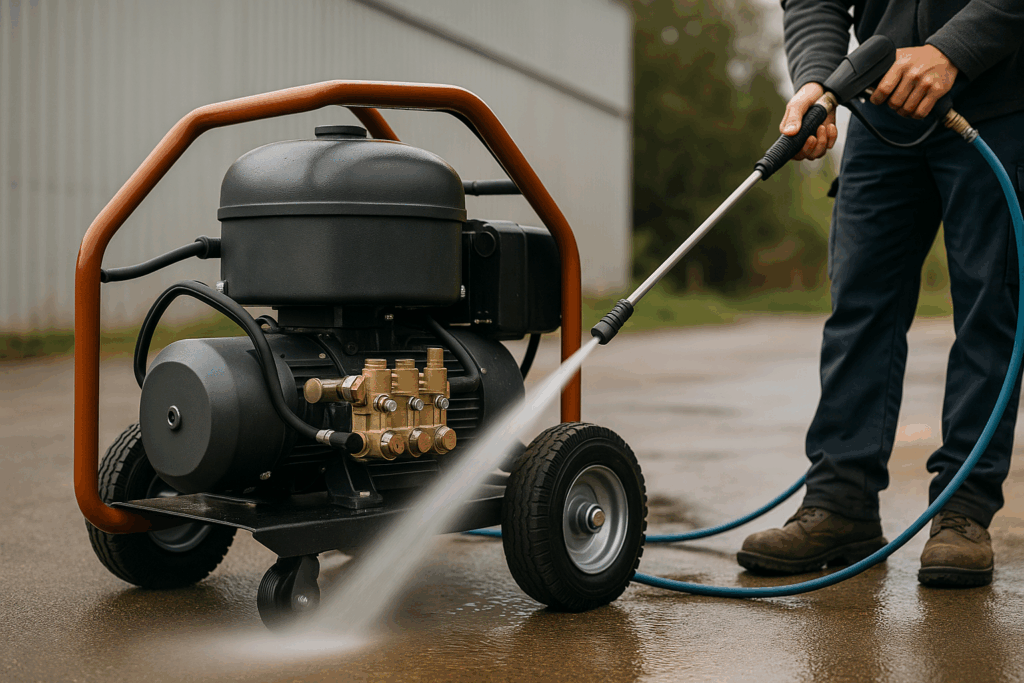
The True Cost of Downtime: A Professional’s Nightmare
In the pressure washing business, time is quite literally money. Every moment a machine is down is a direct hit to your bottom line and reputation.
Lost Revenue from Missed Jobs
Imagine being halfway through a crucial, multi-day fleet washing contract when your “commercial” grade unit sputters to a halt. That is not just an inconvenience. It is lost revenue from unfinished work, the inability to take on new jobs, and potential penalties for failing to meet deadlines. This scenario is a catastrophic blow to profitability.
Damage to Professional Reputation and Client Trust
Unreliable equipment inevitably leads to unreliable service. Clients depend on you to get the job done efficiently and on schedule. Frequent breakdowns erode client trust, making them less likely to rehire you or recommend your services. In a competitive market, a damaged reputation can be far more costly than any initial equipment savings.
Emergency Repair Costs and Logistical Headaches
When a machine breaks down mid-job, the costs skyrocket. You are often paying for emergency service, expedited parts shipping, and potentially higher labor rates for technicians. The logistical headache of shuttling equipment, arranging repairs, and managing frustrated clients adds to the non-monetary toll. This unplanned expenditure and wasted time eat directly into your profits.
Durability as Your Greatest Asset: Minimizing Breakdowns
The inherent durability of an industrial power washer directly counters the risks of downtime, transforming it from a liability into your most valuable asset.
How Industrial Design Translates into Fewer Repairs and Longer Service Intervals
The robust construction, premium materials, and over-engineered components of industrial units mean they are simply less prone to unexpected failures. This translates into predictable service intervals, allowing you to schedule maintenance proactively during off-peak hours rather than reacting to catastrophic breakdowns during peak demand. You spend less time wrenching and more time earning.
Confidence in Taking on Large-Scale, Continuous Contracts
Knowing your equipment can withstand continuous, heavy use without frequent breakdowns empowers you to confidently bid on and secure larger, more lucrative industrial pressure washing applications. These multi-day or multi-week contracts, often for industrial facilities, fleet operators, or construction sites, demand unwavering equipment performance. Your heavy duty pressure washer becomes the foundation for securing this high-value work.
Reduced Need for Backup Equipment
With a highly reliable commercial industrial pressure washer, the necessity—and associated capital expense—of owning multiple backup units is significantly reduced. You can allocate that capital elsewhere in your business, knowing your primary machine will consistently perform.
Operational Efficiency: Maximizing Workflow and Profitability
Beyond mere uptime, an industrial power washer actively enhances your operational efficiency, boosting your earning potential on every job.
Faster Cleaning Times Due to Superior Power and Consistent Performance
The combination of higher PSI and, critically, higher GPM in industrial units means you can clean more surface area, more thoroughly, in less time. High GPM is particularly valuable for rinsing large areas quickly and effectively, leading to significantly reduced labor costs per job. Imagine cutting a multi-day cleaning project by a full day; that is direct profit.
Reduced Labor Costs Per Job
Because industrial machines enable faster and more efficient cleaning, your crew spends less time on site. This translates directly into lower labor costs per project, increasing your profit margins and allowing your teams to move on to the next high-value job faster.
Ability to Tackle Specialized, Higher-Paying Contracts
The versatility and sheer power of an industrial power washer, especially those with heated options or multi-gun setups, open doors to specialized, higher-paying contracts. Jobs requiring hot water for grease removal, high volume for large surfaces, or the ability to run multiple operators simultaneously become feasible and profitable. Consider industrial degreasing, detailed facility sanitation, or large-scale concrete cleaning.
Long-Term Investment and Resale Value
Viewing an industrial power washer as a long-term asset, rather than a short-term expense, reveals its true economic advantage.
Industrial Units Hold Their Value Better Due to Their Robust Construction
Just like a heavy-duty truck retains its value better than a passenger car, industrial-grade equipment maintains a stronger resale value. Their inherent durability and the reputation of their components mean they are sought after even years into their service life, offering a better return on your initial investment.
Less Frequent Replacement Cycles Compared to Lesser Models
The extended lifespan of an industrial power washer means you will replace your equipment far less frequently. This reduces your capital expenditure over time, freeing up funds for other business growth initiatives. The cumulative cost of continually replacing cheaper, less durable machines often far exceeds the initial investment in a single, high-quality industrial unit.
Calculating the Total Cost of Ownership (TCO) for a Heavy-Duty Pressure Washer
When evaluating equipment, look beyond the sticker price. Calculate the Total Cost of Ownership (TCO), which includes purchase price, fuel, maintenance, parts, repairs, and most importantly, the cost of downtime. You will quickly discover that while the upfront cost of an industrial power washer might be higher, its TCO over its lifespan is significantly lower due to its reliability, efficiency, and longevity.
Conquering Challenges: Key Industrial Pressure Washing Applications
The versatility of an industrial power washer extends across a vast array of demanding sectors, proving its indispensable value in diverse applications.
Heavy Equipment and Fleet Washing
This is a cornerstone application where the power and durability of an industrial unit truly shine.
Cleaning Construction Machinery: Removing Mud, Grease, and Grime
Imagine a fleet of excavators, bulldozers, and loaders returning from a muddy construction site. These machines are caked in hardened mud, oil, grease, and concrete splatter. An industrial power washer with high PSI and high GPM can rapidly strip away these layers, preparing equipment for maintenance, regulatory inspections, or resale. This is not just about aesthetics. Clean equipment is easier to service, less prone to component failure, and often a regulatory requirement on job sites.
Agricultural Equipment Sanitation: Preventing Disease Spread and Ensuring Performance
From tractors to combines and specialized spraying equipment, agricultural machinery can carry biological contaminants and disease. Industrial power washing, often with hot water options, is crucial for thorough sanitation, preventing the spread of pathogens between fields and ensuring optimal machine performance by removing compacted dirt and crop residue.
Commercial Fleet Maintenance: Trucks, Buses, and Specialized Vehicles
A busy trucking depot or transit authority needs to clean dozens of vehicles daily. A commercial industrial pressure washer facilitates rapid and efficient cleaning, removing road grime, oil, and exhaust buildup. This not only maintains a professional image but also helps identify potential maintenance issues early and prevents corrosive elements from damaging vehicle bodies.
Addressing Regulatory Requirements for Equipment Cleanliness
Many industries, particularly construction and agriculture, have stringent regulatory requirements for equipment cleanliness, especially when moving between different sites or jurisdictions. An industrial power washer ensures compliance, preventing fines and operational delays.
Industrial Facility Maintenance and Sanitation
Maintaining a clean, safe, and productive industrial environment is another area where these machines are indispensable.
Manufacturing Plant Floors and Machinery
Manufacturing facilities accumulate a formidable mix of oil, grease, coolants, metal shavings, and general industrial debris. Industrial power washers are used to deep clean production floors, remove grime from machinery, and degrease components, ensuring a safer workspace and preventing equipment malfunctions.
Food Processing Facilities: Stringent Hygiene Standards
In food processing, hygiene is paramount. Heated industrial power washers are often a critical tool for sanitation, using hot water and steam to dissolve fats, sugars, and proteins, while simultaneously sterilizing surfaces to meet strict food safety regulations and prevent cross-contamination.
Warehouses and Loading Docks: Oil, Dust, and Debris Removal
Warehouses and loading docks are prone to oil spills, tire marks, dust accumulation, and general debris. Regular power washing maintains cleanliness, improves safety by reducing slip hazards, and extends the life of floor coatings.
Waste Management and Recycling Centers
These environments are among the toughest. Industrial power washers are essential for cleaning collection vehicles, sorting equipment, and facility floors, tackling extreme grime, biological waste, and odors in challenging, continuous use scenarios.
Construction Site Cleanup and Preparation
From initial groundwork to final touches, power washing plays a vital role on construction sites.
Post-Construction Cleanup of Concrete, Masonry, and Surfaces
After construction, sites are often littered with mortar splatter, concrete dust, paint overspray, and other residues. Industrial units efficiently clean newly laid concrete, masonry, brickwork, and other surfaces, preparing them for the next phase or final handover.
Surface Preparation for Painting, Sealing, or Coating
For new builds or renovations, surfaces must be immaculately clean for paint, sealants, or coatings to adhere properly. Industrial power washing applications ensure surfaces are free of loose debris, dirt, and contaminants, guaranteeing optimal adhesion and a long-lasting finish.
Removing Stubborn Contaminants from Building Materials
Whether it is efflorescence from brick, rust stains from metal, or other stubborn contaminants, the power of an industrial unit can restore the appearance and integrity of various building materials.
Specialized Industrial Applications
The capabilities of industrial power washers extend to highly specialized and often hazardous environments.
Oil and Gas Industry: Rig Cleaning, Pipeline Maintenance
Cleaning oil rigs, offshore platforms, and pipelines involves removing crude oil, drilling mud, and corrosive salts. These applications often require explosion-proof designs, remote start capabilities, and highly durable diesel-powered units designed for continuous operation in extreme conditions.
Mining Operations: Equipment Descaling and Site Remediation
Mining equipment operates in incredibly harsh, abrasive conditions. Industrial power washers are used for descaling heavy machinery, removing caked-on ore and rock, and for site remediation tasks.
Marine Applications: Boat Hulls, Docks, and Shipyard Maintenance
From removing barnacles and marine growth from boat hulls to cleaning docks and shipyard facilities, heavy duty pressure washers are essential for maintenance and compliance in marine environments, often requiring specialized heated options or saltwater-resistant components.
Public Infrastructure Cleaning: Bridges, Overpasses, and Urban Renewal Projects
Large-scale public works projects, such as cleaning bridges, tunnels, overpasses, and historic monuments, demand the scale and reliability of industrial units. These projects often involve continuous operation over large areas, requiring significant GPM and robust construction to stand up to the challenge.
Strategic Selection: Choosing Your Next Commercial Industrial Pressure Washer
Investing in an industrial power washer is a major step for any pressure washing business. The right choice delivers more than cleaning power—it ensures long-term efficiency, reliability, and the ability to take on higher-value jobs.
Strategic selection means looking beyond basic specs. You should consider durability, fuel type, pump quality, mobility, and ease of maintenance. The goal is to choose a machine that not only meets your current demands but also supports your growth as your workload and client base expand.
A well-chosen unit becomes a dependable, scalable asset—one that pays for itself through reduced downtime, better performance, and increased profitability.
Assessing Your Specific Needs: PSI, GPM, and Beyond
Understanding the technical specifications is key, but it is more than just chasing the highest numbers.
Understanding the Balance: High PSI for Stubborn Stains, High GPM for Rinsing and Speed
While PSI (pounds per square inch) indicates the cutting force for dislodging tough grime and stains, GPM (gallons per minute) defines the volume of water, which is critical for rinsing large areas quickly and efficiently. For most industrial pressure washing applications, a balance is crucial. However, for sheer speed and productivity on expansive surfaces, a higher GPM often translates to greater efficiency and reduced labor time, allowing you to cover more ground faster.
Matching Machine Specs to Your Most Frequent Industrial Pressure Washing Applications
Consider the types of jobs you frequently undertake. Are you primarily stripping paint and rust (higher PSI) or cleaning vast expanses of concrete and heavy equipment (higher GPM)? Tailoring the machine’s specifications to your dominant applications ensures optimal performance and efficiency.
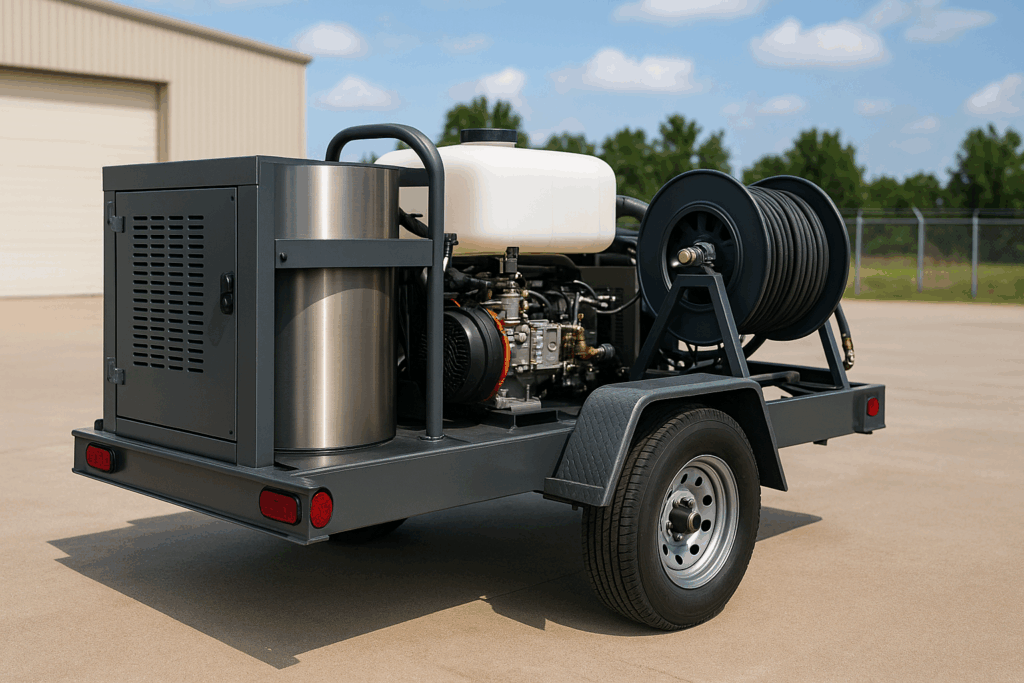
Portability vs. Stationary Units: Skids, Trailers, and Custom Setups
Determine whether you need a mobile unit that can be easily transported to various job sites (skid-mounted for trailers, or cart-mounted for lighter mobility) or a stationary unit for a dedicated cleaning bay or facility. Many commercial industrial pressure washer setups are designed as skid units that can be permanently mounted on a trailer, providing a powerful, self-contained mobile cleaning solution.
Fuel Types and Their Implications for Industrial Use
The choice of power source profoundly impacts operational logistics and environmental considerations.
Gasoline: Common, Versatile, but Requires Ventilation
Gasoline-powered industrial units offer excellent portability and versatility, making them a popular choice for mobile contractors. They are generally easier to start in cold weather and widely available. However, they require adequate ventilation due to exhaust fumes, making them unsuitable for enclosed indoor spaces without specialized ventilation systems.
Diesel: Ultimate Power and Efficiency for Continuous Heavy Use, Often Preferred for Industrial Settings
Diesel engines are the true workhorses for continuous, heavy-duty industrial applications. They boast superior torque, exceptional fuel efficiency under load, and remarkably long lifespans. Their robust construction makes them ideal for prolonged operation in harsh outdoor environments, and their lower flammability compared to gasoline is an advantage in certain industrial settings. They are the go-to for many high-demand heavy duty pressure washer operations where uptime and cost-effective continuous use are paramount.
Electric: Quieter, Zero Emissions, Ideal for Indoor or Sensitive Environments
Electric industrial power washers are indispensable for indoor use, food processing facilities, or any environment where exhaust fumes, noise, or fire risk must be minimized. They are typically quieter and require less maintenance than combustion engines. Industrial electric models often require 3-phase power, which is common in commercial and industrial buildings but less common for mobile outdoor applications unless a large generator is utilized.
Essential Features and Accessories for Professional Productivity
Beyond the core machine, smart features and accessories significantly enhance productivity and versatility.
Hose Reels, Specialty Nozzles, and Turbo Nozzles
Integrated hose reels simplify setup and breakdown, preventing tangles and extending hose life. A variety of specialty nozzles, such as 0-degree for concentrated blasting, 25-degree for general cleaning, and chemical nozzles, are crucial. Turbo nozzles, which create a rapidly rotating pinpoint stream, dramatically increase cleaning power over a wider area, making quick work of stubborn grime on robust surfaces.
Heated (Hot Water) Industrial Power Washers: When and Why They Are Critical
For cutting through grease, oil, sap, and other stubborn, viscous contaminants, a heated industrial power washer is indispensable. Hot water, often combined with appropriate detergents, melts away grease, emulsifies oil, and significantly speeds up cleaning times. It also offers sanitization benefits, which are critical for industries like food processing or agriculture. The investment in a hot water unit can often pay for itself rapidly through increased efficiency and the ability to take on higher-paying jobs.
Chemical Injection Systems and Soap Applicators
Many industrial power washer units include built-in downstream chemical injectors that allow detergents or degreasers to be applied at low pressure, ensuring proper dwell time. Dedicated soap applicators can also improve efficiency, allowing for broad application before high-pressure rinsing.
Surface Cleaners and Specialized Attachments for Efficiency
For large flat surfaces like concrete floors, parking lots, or warehouse floors, a surface cleaner attachment is a game-changer. These attachments use rotating spray bars to clean a wide path uniformly and efficiently, drastically reducing cleaning time and preventing “zebra striping” often seen with a standard wand. Other specialized attachments include telescoping wands for high reach, drain cleaners, and sandblasting kits.
The Importance of a Trusted Supplier: A Partner, Not Just a Vendor
Your equipment is only as good as the support behind it. Choosing the right supplier is as crucial as choosing the right machine.
Look for Suppliers Offering Expert Consultation and Technical Support
A reliable supplier should act as a partner, not just a vendor. They should offer expert consultation to help you select the ideal industrial power washer for your specific business needs and provide ongoing technical support for troubleshooting and optimal operation.
Availability of Genuine Parts and Accessories
Rapid access to genuine OEM (Original Equipment Manufacturer) parts is paramount for minimizing downtime. A supplier with a robust parts inventory can mean the difference between a few hours of downtime and several days or weeks of lost revenue.
Training and Educational Resources for Maximizing Equipment Performance
A truly valuable supplier will offer training and educational resources—from operational best practices to preventative maintenance tips—to help you and your team maximize the performance and lifespan of your heavy duty pressure washer.
Warranty and After-Sales Service Reputation
Investigate the supplier’s warranty policy and their reputation for after-sales service. A strong warranty and a responsive service department provide peace of mind and protect your investment.
Sustaining Performance: Maintenance and Support for Your Industrial Investment
Even the most rugged industrial power washer requires diligent care to deliver its promised lifespan and performance. As a reliability engineer, I cannot stress enough the importance of proactive preventative maintenance. It is the key to uninterrupted uptime and maximizing your return on investment.
Proactive Preventative Maintenance: The Key to Uninterrupted Uptime
Think of preventative maintenance not as an expense, but as an insurance policy against costly breakdowns and lost revenue.
Daily Checks: Oil Levels, Fuel, Water Supply, Hose Condition
Before starting any job, make a habit of quick visual inspections. Check the engine oil level and fuel level. Ensure your water supply is clean and unobstructed. Inspect all hoses for kinks, cuts, or leaks, and verify that all quick-connect fittings are secure. These simple checks can prevent major issues down the line.
Regular Servicing Schedule: Pump Oil Changes, Filter Replacements
Just like your vehicle, the pump of your industrial power washer has its own oil that needs regular changing. Refer to your owner’s manual for specific intervals, but typically, pump oil should be changed every 200 to 500 hours of operation. Additionally, regularly inspect and replace fuel filters, air filters, and water inlet filters. Clean filters ensure optimal performance and protect vital components from contamination.
Nozzle and Hose Inspection for Wear and Tear
Worn nozzles can significantly reduce pressure and spray consistency, forcing your pump to work harder. Regularly inspect your nozzles for enlargement or damage and replace them as needed. Similarly, inspect your high-pressure hoses for signs of wear, abrasion, or bulging—a compromised hose is a significant safety hazard and a potential cause of downtime.
Winterization Procedures for Cold Climates
If you operate in colder regions, proper winterization is non-negotiable. Freezing water inside the pump, hoses, or heating coil (for hot water units) can cause catastrophic damage. Follow the manufacturer’s guidelines for flushing out water and introducing antifreeze solutions before storing the unit in freezing temperatures.
Engine Maintenance Specific to Diesel or Gasoline Units
Beyond general checks, engines require their own specific maintenance. This includes regular oil changes, spark plug inspection or replacement (for gasoline), and checking or adjusting valve clearances (especially for diesel units). Consistent engine maintenance ensures peak performance, fuel efficiency, and prevents premature wear.
Common Issues and Troubleshooting for Industrial Power Washers
Even with the best maintenance, issues can arise. Knowing how to identify common problems can significantly reduce diagnostic time.
Loss of Pressure: Diagnosing Pump, Nozzle, or Supply Issues
A sudden drop in pressure is a common concern. Start by checking your water supply. Is the spigot fully open? Is your garden hose kinked or too small in diameter? Next, inspect your nozzle for wear or blockages. If these are clear, the issue may lie within the pump itself, potentially a worn unloader valve, stuck check valves, or worn seals.
Engine Problems: Starting, Sputtering, Overheating
If your engine will not start, sputters, or overheats, check basic fuel and air supply. Ensure fresh fuel, a clean air filter, and clear fuel lines. Overheating can be caused by low oil levels, a clogged cooling system, or operating in direct sunlight without adequate airflow.
Water Leaks: Identifying and Replacing Worn Seals or Fittings
Minor leaks are often due to loose connections or worn O-rings in quick-connect fittings. More significant leaks from the pump itself typically indicate worn high-pressure seals or cracked housing. Addressing leaks promptly prevents water damage to internal components and maintains pressure integrity.
Vibration and Unusual Noises: Indicating Potential Component Issues
Excessive vibration or unusual noises, such as knocking or grinding, can signal serious internal problems with the pump or engine. This includes worn bearings, cavitation (air in the pump), or loose components. Shut down the machine immediately and investigate to prevent catastrophic failure.
Access to Parts and Expert Technical Support
Even with robust preventative maintenance and troubleshooting knowledge, some issues require professional intervention.
The Value of Readily Available OEM Parts
When a part does need replacing, the availability of genuine OEM parts is crucial. OEM parts are designed to the exact specifications of your machine, ensuring proper fit, optimal performance, and maintaining your warranty. Non-OEM parts, while sometimes cheaper upfront, can lead to premature failures and void warranties.
Qualified Technicians: In-House vs. Certified Third-Party Repair
For complex issues, relying on qualified technicians is paramount. Whether you have in-house mechanics or use certified third-party repair centers, ensure they have specific experience with industrial power washers and access to specialized tools and diagnostic equipment.
Remote Diagnostics and Phone Support for Quick Resolutions
Many reputable suppliers offer remote diagnostic assistance or phone support. Being able to quickly describe a symptom and get expert advice can often lead to a rapid solution, minimizing the need for an on-site service call and getting your machine back in action faster.
Building a Relationship with a Knowledgeable Service Department
Cultivating a strong relationship with your supplier’s service department is an asset. They understand your equipment’s history, your operational needs, and can often provide tailored advice and proactive maintenance reminders.
The Foundation of Growth: Building a Reliable Business with Industrial Power
Ultimately, an industrial power washer is far more than just a piece of machinery. It is a strategic business asset that underpins your reputation, expands your capabilities, and empowers your journey toward sustained financial independence.
Elevating Your Professional Reputation
In the demanding world of professional cleaning, reliability is your most powerful differentiator.
Consistently Delivering High-Quality Results on Tough Jobs
With an industrial power washer, you consistently deliver superior cleaning results, even on the most challenging industrial pressure washing applications. This level of performance builds a reputation for excellence that sets you apart from competitors relying on less capable equipment.
Reliability and Meeting Deadlines Through Minimal Equipment Downtime
Your ability to consistently meet deadlines, especially on large-scale contracts, directly hinges on your equipment’s reliability. By minimizing downtime, an industrial power washer ensures you can deliver on your promises, building invaluable trust with your clients.
Attracting and Retaining High-Value Industrial Clients
High-value industrial clients, such as large construction firms, manufacturing plants, or fleet operators, seek partners who are dependable and equipped for the job. Your investment in a heavy duty pressure washer signals your professionalism and capability, making you the preferred choice for lucrative, ongoing contracts.
Expanding Your Service Offerings and Client Base
The confidence derived from owning robust equipment directly translates into business growth.
Confidence to Bid on Larger, More Complex Contracts
No longer will you hesitate to bid on expansive, continuous contracts that require hours of uninterrupted operation. Your commercial industrial pressure washer empowers you to tackle these high-paying jobs with absolute confidence, knowing your equipment will not let you down.
Diversifying into Niche Industrial Pressure Washing Applications
With the right industrial unit and attachments, you can expand into specialized niches such as hot water degreasing, sterile cleaning for food facilities, specialized equipment descaling, or large-scale surface preparation, opening up new revenue streams and client segments.
Becoming the Go-To Specialist for Heavy-Duty Cleaning
By consistently demonstrating your capability with top-tier industrial equipment, you position your business as the go-to specialist for heavy-duty cleaning challenges that your competitors simply cannot handle. This expert positioning commands higher prices and attracts premium clients.
The Industrial Power Washer: Your Strategic Business Asset
From the moment it is purchased, your industrial power washer ceases to be just a tool and becomes a foundational pillar of your financial independence. It is a testament to your commitment to quality, reliability, and professionalism, empowering your journey to build a sustainable and highly profitable pressure washing enterprise. In the relentless world of industrial cleaning, where only the strongest survive, investing in an industrial power washer is not an option. It is your ultimate competitive advantage.
Ready to equip your business with the power and durability it needs to conquer the toughest jobs and secure your reputation for unwavering reliability?
Request a quote for an industrial power washer built for your toughest jobs.
More Useful Blogs
- Commercial Pressure Washing Trailer Maintenance – Learn how to protect your trailer investment, reduce downtime, and extend its lifespan with proper maintenance tips.
- Commercial Pressure Washing Trailer Useful Blogs – A collection of valuable articles to help you optimize trailer performance and business efficiency.
- Gas vs. Diesel Power Washer – Compare gas and diesel power washers to choose the right one for your commercial needs.
- Hot Water Pressure Washer Advantages – Discover why hot water units outperform cold water systems for tough cleaning jobs.
- Pressure Washer Trailer for Sale – A guide to finding and purchasing the best pressure washer trailers for your business.
- Custom Pressure Washer Cart: Agile Solutions for Tough Job Sites – Custom pressure washer carts provide agility, durability, and efficiency, helping you tackle tough cleaning jobs with ease.
- Commercial Power Washer: Expert Guide to Maximize Uptime & Profitability – Maximize uptime and profits with expert tips for choosing a durable, efficient commercial power washer.
- Custom Pressure Washer: Engineered for Your Unique Business Needs – Custom pressure washers deliver maximum uptime, durability, and ROI.
- Precision & Comfort: The Strategic Advantage of a Custom Pressure Washer Gun – Ergonomic, high-performance tool for professionals.
- Hot Pressure Washer Trailer: Mobile Power for Pro Cleaners – Get unmatched cleaning performance and mobility with a professional-grade hot water trailer setup.
- The Strategic Advantage of a Custom Pressure Washer Trailer – Boost efficiency, profits, and growth with a tailored pressure washing trailer.