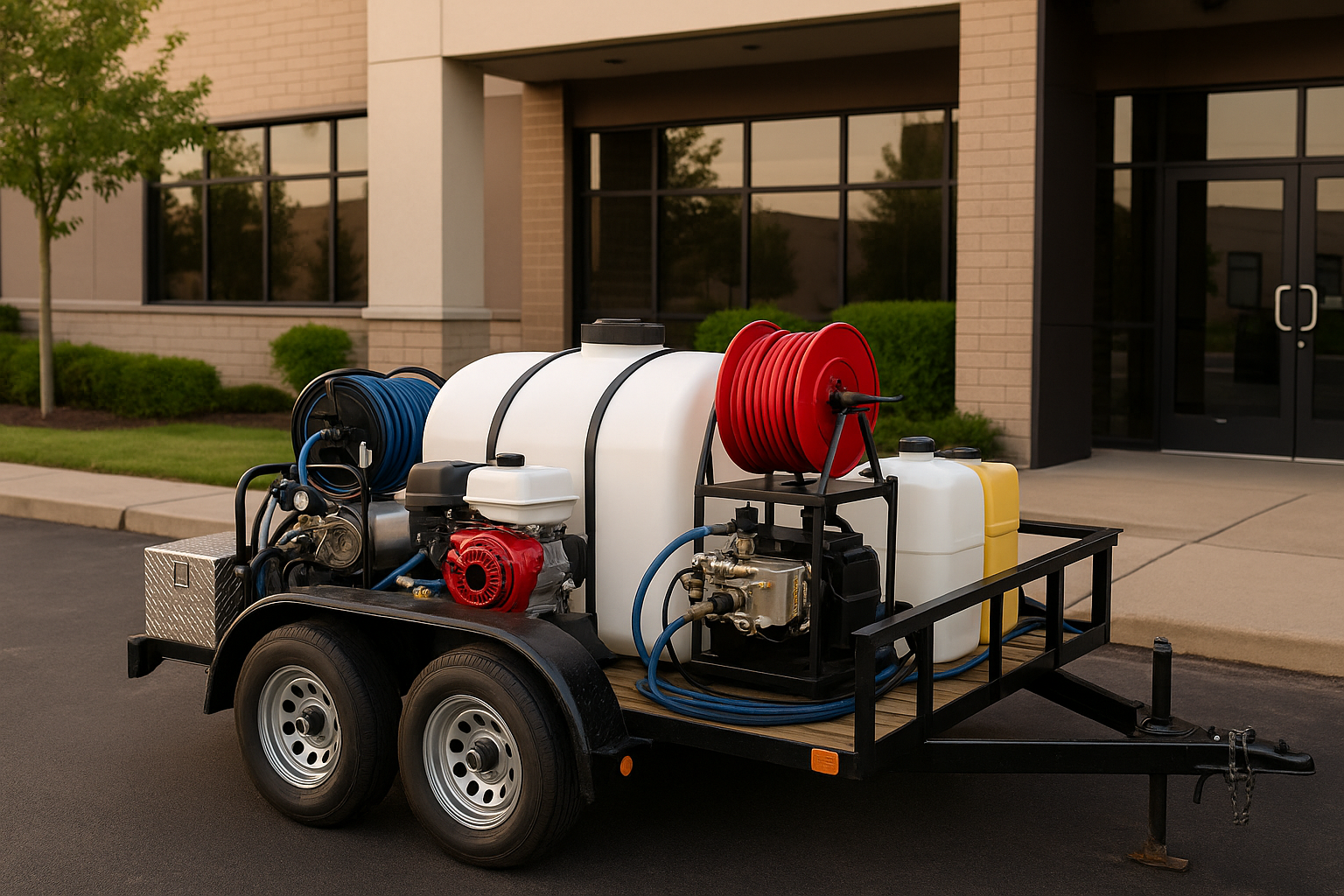
A heated power washer is the game-changing solution for professionals ready to overcome cold water limitations and unlock higher-value opportunities.
Every pragmatic pressure washing professional understands the relentless struggle: arriving on site, prepared to transform a grime-laden surface, only to find cold water and even strong detergents are losing the battle against deeply embedded oil, caked-on grease, or stubborn organic growth.
This isn’t just a minor setback; it’s a direct hit to your operational efficiency, professional reputation, and crucially, your bottom line. You aim to expand service capabilities, confidently tackle those higher-paying, more challenging jobs, and secure financial independence. What if your current equipment is the very barrier holding you back?
This isn’t merely about achieving a clean surface; it’s about unlocking new revenue streams, delivering a superior service that commands premium rates, and cementing your business as the definitive solution for the toughest cleaning challenges. A heated power washer is not simply another tool; it represents a strategic investment that enables your business to pursue higher-value contracts, achieve unparalleled cleaning results, and significantly boost profitability. This guide will illuminate how hot water technology can redefine your operational efficiency, expand your market reach, and accelerate your business growth.
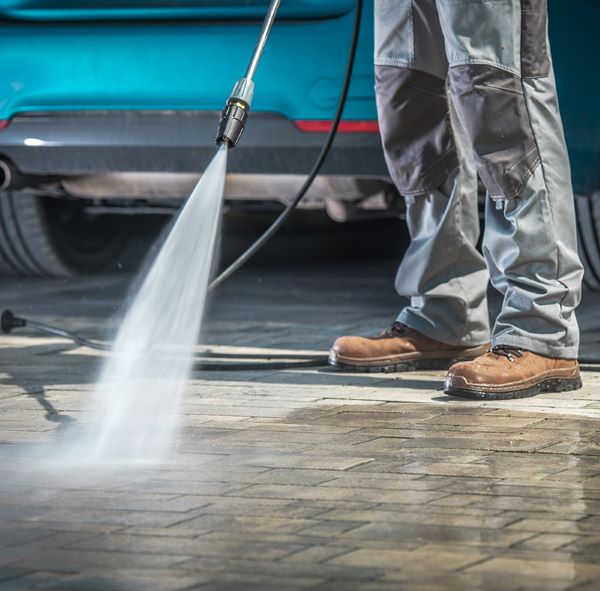
The Pragmatic Pro’s Imperative: Elevating Your Pressure Washing Business
The contemporary pressure washing landscape is rapidly evolving, bringing with it heightened client expectations. The era when a simple cold water blast sufficed for every task is over. Commercial and industrial clients, in particular, now demand not just cleanliness but deeply sanitized and pristinely restored surfaces, often with specific requirements for health, safety, and aesthetic appeal. They seek partners capable of solving complex cleaning problems, not merely equipment operators.
The limitations of cold water cleaning for commercial challenges are increasingly evident. While effective for loose dirt and surface debris, cold water often struggles against tenacious contaminants like solidified grease, heavy oil deposits, mold, mildew, and chewing gum. These require prolonged application, excessive chemical use, and frequently, frustrating re-work. Such inefficiencies inevitably erode profit margins and can damage your reputation for reliability.
This directly identifies growth bottlenecks and missed opportunities for higher-value jobs. Consider a scenario where a potential client needs their restaurant kitchen exhaust system deep cleaned to health code standards, or a heavy equipment company requires its fleet degreased for routine maintenance. If your equipment cannot effectively handle these tasks, you are not just losing that single job. You are missing out on an entire category of lucrative contracts that your competitors, often equipped with commercial heated power washing capabilities, are readily securing.
As an entrepreneur, your objective is clear: build a profitable, sustainable business with a reputation for reliability and achieve financial independence. Every moment of downtime, every job that extends beyond schedule, and every client dissatisfied with less-than-perfect results threatens this vision. This makes “uptime” critically important; equipment reliability directly influences revenue and reputation. Investing in the right tools, especially those that expand your capabilities and efficiency, is not an expense. It is a calculated move towards securing your business’s future.
Unlocking Superior Cleaning: Hot Water Pressure Washer Benefits
The hot water pressure washer benefits are not anecdotal. They are rooted in fundamental scientific principles that provide a foundational competitive advantage for your business.
The Fundamental Difference: Hot Versus Cold Water Cleaning
At its core, the efficacy of hot water cleaning stems from the power of thermal energy. Heat acts as a catalyst, significantly accelerating chemical reactions and directly impacting the physical properties of contaminants.
Thermal Energy’s Role in Breaking Down Bonds
When hot water contacts dirt, grime, and solidified residues, the increased kinetic energy of the water molecules weakens and breaks down the molecular bonds holding these contaminants to the surface. This thermal shock effect causes materials to expand and contract, making them more brittle and easier to dislodge from the substrate. For instance, dried paint splatter or hardened chewing gum, which might remain stubbornly bonded under cold water, become more pliable and yield readily to hot water.
Viscosity Reduction for Easier Removal
Perhaps one of the most significant advantages of hot water is its ability to reduce the viscosity of oils and grease. Imagine cold, congealed bacon fat versus hot, melted bacon fat. As water temperature rises, it melts or liquefies these viscous substances, transforming them from sticky, solid films into thin, free-flowing liquids. This change allows the water to penetrate beneath the contaminant, lifting it from the surface, and enabling it to be easily flushed away by the high-pressure spray. This makes degreasing tasks far more efficient and effective.
Sanitization and Disinfection Properties
Beyond just cleaning, hot water provides inherent sanitization. Water temperatures above 180°F (82°C) are often sufficient to kill or significantly reduce populations of bacteria, viruses, and other microorganisms without the need for excessive chemicals. For sensitive environments like commercial kitchens, healthcare facilities, or public restrooms, this sanitization capability is not merely a bonus. It is a non-negotiable requirement for health and safety compliance.
Comparing Cleaning Speed and Efficacy
In a direct comparison, hot water consistently outperforms cold water in terms of cleaning speed and efficacy across a wide range of contaminants. For jobs involving heavy oil, grease, sap, mold, mildew, or baked-on dirt, a hot wash can achieve superior results in a fraction of the time a cold wash would take. This translates directly into higher job throughput and lower labor costs. These are critical factors for your profitability.
Core Advantages of a Heated Power Washer for Commercial Applications
The specific advantages of integrating a heated power washer into your fleet are profound and directly contribute to your business’s growth trajectory.
Superior Degreasing and Oil Removal
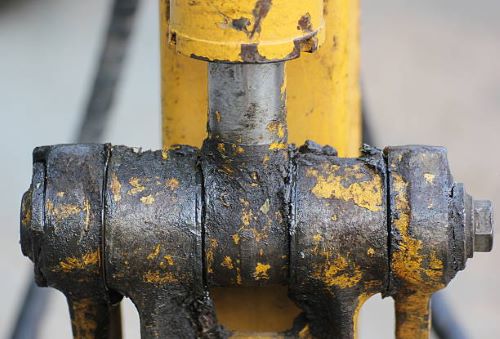
This is where hot water truly shines. Whether it is a greasy dumpster pad, an oil-stained concrete driveway, or a heavy piece of construction equipment caked in hydraulic fluid, the ability of hot water to liquefy and emulsify oils and grease ensures a complete, deep clean that cold water simply cannot achieve without excessive chemical use or intensive scrubbing.
Enhanced Sanitization and Disinfection
For food service, healthcare, or public facilities, the sanitizing power of hot water is indispensable. It allows you to offer a comprehensive cleaning solution that addresses both visible grime and unseen microbial threats, helping clients meet stringent health and safety regulations.
Faster Cleaning Times and Increased Throughput
Because hot water acts more aggressively on contaminants, jobs are completed faster. This means your crews can move from one site to the next more quickly, increasing the number of jobs you can complete in a day or week. Reduced time on site directly translates to lower labor costs per job and greater overall profitability.
Reduced Reliance on Harsh Chemicals
The inherent cleaning power of heat often means you can use fewer, milder, or even no harsh chemicals for many applications. This not only saves on chemical costs but also improves safety for your employees, reduces environmental impact, and can be a strong selling point for eco-conscious clients.
Effective Removal of Stubborn Organic Matter
Organic growths like mold and mildew are notoriously difficult to eradicate completely with cold water. Hot water, combined with appropriate pressure, effectively kills and lifts these growths from surfaces, preventing rapid regrowth. Similarly, the heat from a heated power washer makes quick work of congealed chewing gum, dissolving its sticky bond to concrete and allowing for easy removal.
Preventing Water Spots and Streaks
The elevated temperature of the water causes it to evaporate more quickly from surfaces, especially in cooler conditions, significantly reducing the likelihood of unsightly water spots or mineral streaks. This delivers a cleaner, more professional finish, enhancing client satisfaction and reinforcing your reputation for quality.
Expanding Your Reach: High-Profit Heated Power Washer Applications
Diversifying services and commanding higher rates are key objectives for any growth-oriented pressure washing business. A heated power washer is your ticket to unlocking a broad spectrum of heated power washer applications, many of which are high-value contracts that fall under the umbrella of commercial heated power washing.
Industrial and Heavy Equipment Cleaning
This sector offers some of the most lucrative and consistent contracts for businesses equipped with hot water capabilities.
Construction and Agricultural Equipment
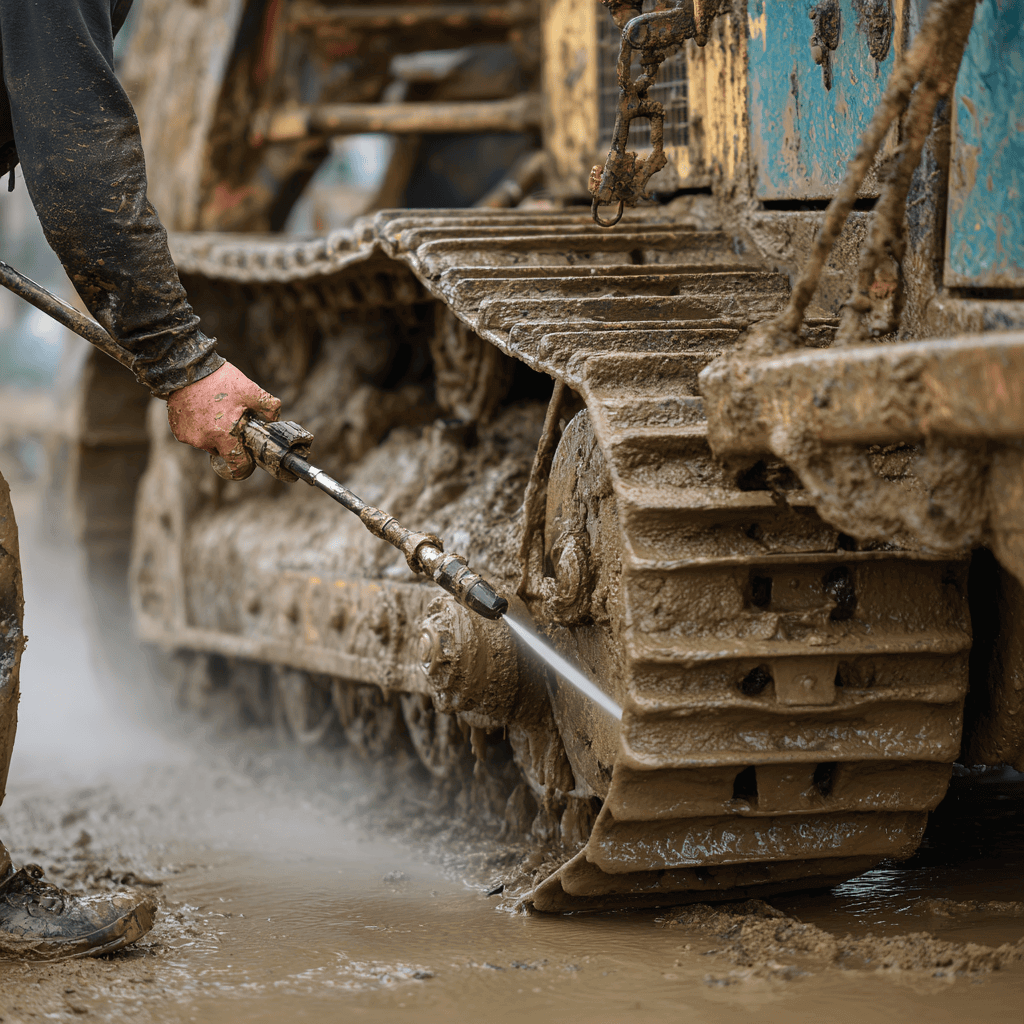
Imagine a fleet of excavators, bulldozers, or tractors returning from a muddy job site. Cold water struggles to penetrate and loosen the layers of caked-on dirt, dried clay, and heavy grease that accumulate on these machines. A heated power washer slices through these layers, liquefying grease and mud, making pre-maintenance cleaning faster and more thorough, and ensuring proper operation and longevity of the equipment.
Fleet Washing for Enhanced Appearance and Compliance
Commercial fleets—from local delivery vans to interstate semi-trucks—require regular, deep cleaning to maintain appearance, comply with DOT regulations (such as clear visibility of lights and reflectors), and prevent rust. Hot water efficiently removes road film, diesel soot, exhaust residue, and oil splatters, ensuring vehicles not only look professional but are also maintained for peak performance.
Manufacturing Facilities
Manufacturing environments often contend with cutting fluids, lubricants, metal shavings, and various process residues. Hot water is indispensable for deep cleaning production lines, degreasing machinery, and sanitizing factory floors, which can be critical for safety, product quality, and regulatory compliance.
Oil and Gas Industry Applications
This is a highly specialized, high-stakes application where efficiency and thoroughness are paramount. Oil removal and grease removal from pumps, pipelines, and storage tanks for maintenance or regulatory inspections require the emulsifying power of hot water to effectively break down heavy petroleum-based residues.
Commercial and Institutional Deep Cleaning
These applications represent consistent revenue streams and opportunities to build long-term client relationships.
Restaurant and Hospitality Venues
Health department regulations for food service are rigorous. Hot water is essential for thoroughly degreasing exhaust hoods and filters, sanitizing kitchen floors (which often accumulate thick layers of grease), and deep cleaning dumpster pads to eliminate odors and attractants.
Retail and Storefronts
First impressions matter in retail. Chewing gum, coffee stains, and oil spots on sidewalks and building entrances are common unsightly issues. A heated power washer makes light work of gum removal and effectively pulls oil stains from porous concrete, restoring curb appeal and attracting more customers.
Healthcare Facilities
In hospitals, clinics, and assisted living facilities, sanitization is paramount. Hot water can be used for deep cleaning floors, sanitizing equipment, and maintaining waste areas, contributing to a hygienic environment that safeguards patient and staff health.
Educational Institutions
Schools and universities are high-traffic environments prone to germ spread. Hot water cleaning can sanitize cafeterias, locker rooms, restrooms, athletic equipment, and hallways, promoting a healthier learning and playing environment.
Specialized and Niche Cleaning Services
Beyond the routine, heated power washers open doors to unique, high-value contracts.
Graffiti Removal
Certain types of graffiti, especially those containing oil-based paints or marker inks, respond remarkably well to hot water. It helps soften and break down the paint for easier, less chemically intensive removal from surfaces like brick, concrete, and even some painted surfaces.
Paint Stripping and Surface Preparation
When preparing a surface for a fresh coat of paint or a new coating, effective paint stripping is crucial. Hot water can significantly aid in this process, loosening old layers of paint and ensuring a clean, ready-to-bond substrate.
Chewing Gum Removal
This is a persistent problem in urban and commercial areas. With a heated power washer, what used to be a tedious, time-consuming scraping job becomes a swift, efficient task. The heat melts the gum, allowing it to be easily blasted away without damaging the underlying surface.
Post-Construction Cleanup
Construction sites leave behind tough residues. Concrete splatter, dried paint drips, and heavy dust can be notoriously hard to remove. Hot water softens these materials, making cleanup faster and more thorough, an ideal service for busy contractors.

Residential High-Value Cleaning
While often seen as a commercial tool, a heated power washer also elevates residential services. Homeowners are willing to pay a premium for complete oil stain removal from their driveways or deep cleaning of their siding to eliminate ingrained dirt, mold, and mildew, delivering truly superior results.
Real-World Success Stories in Business Growth
Consider the trajectory of businesses that made the strategic leap.
- Apex Cleaning Solutions: Before investing in a heated power washer, Apex focused on residential house washes and cold water flatwork. They struggled to win bids for local restaurant kitchen exhaust cleaning or commercial dumpster pad contracts. After acquiring a commercial-grade heated unit, they immediately secured three new recurring restaurant contracts and saw a 30 percent increase in average job value. The owner, Mark, noted, “The heated power washer didn’t just clean better; it opened up an entirely new market for us that our cold-water competitors couldn’t touch. Our reputation for tackling tough grease jobs spread quickly.”
- Industrial Shine Co.: Operating in a region with many manufacturing plants, Industrial Shine Co. found themselves frequently asked about heavy equipment cleaning and factory floor degreasing. Their cold water units were slow and often required excessive chemical use. Following the acquisition of a diesel-fired heated power washer, they reduced cleaning time for large machinery by 40 percent and drastically cut chemical consumption. This efficiency allowed them to take on more fleet washing contracts and offer maintenance cleaning to several factories, leading to a 50 percent revenue increase in their first year with the hot water unit.
These examples illustrate how a heated power washer is not just an upgrade, but a catalyst for significant business expansion and increased profitability by enabling you to solve complex problems and deliver superior results.
Maximizing Your ROI: The Business Case for a Heated Power Washer
Understanding the profitability boost is key for any practical business owner. Investing in a heated power washer isn’t just about having a better machine; it’s about optimizing your operations for the best possible returns.
The ability to charge premium rates for specialized, superior cleaning services is immediate. When you can promise complete degreasing, sanitization, or oil removal that cold water simply cannot deliver, clients are willing to pay more. You are no longer just a pressure washer. You become a problem-solver for complex cleaning challenges.
Reduced job completion times directly contribute to increasing daily output and client turnover. If a hot wash cuts a four-hour cold water job down to two hours, you have effectively doubled your capacity without increasing labor. This translates to more jobs per day, more revenue per week, and a faster payback period on your investment.
Lower Costs, Higher Loyalty: The Hidden Benefits of Heat
Lower operational costs are another significant benefit. As discussed, the improved cleaning power of heat often means decreased chemical usage. Less reliance on aggressive detergents saves money and reduces the need for re-work, further minimizing expenses related to labor and resources.
Increased customer satisfaction and repeat business due to superior results are invaluable. When your clients see the difference a truly deep, sanitized clean makes—no stubborn stains, no lingering odors, a truly pristine finish—they become loyal customers and powerful referral sources, fueling organic growth.
Return on Investment: A Strategic Upgrade That Pays for Itself
This leads to strong competitive differentiation: standing out in a crowded market. In an industry where many new businesses start with basic cold water units, owning a commercial heated power washing system immediately positions you as a more capable, professional, and advanced service provider. You become the go-to expert for jobs others cannot handle, attracting higher-value clientele.
Analyzing payback periods and long-term financial benefits reveals that while the initial investment might be higher than a cold water unit, the accelerated job completion, higher service rates, and reduced operational costs can lead to a surprisingly quick return on investment. Over the long term, the durability and expanded capabilities of a quality heated unit contribute significantly to sustained profitability boost and business resilience.
Strategic Selection: Choosing the Ideal Commercial Heated Power Washer
For the pragmatic pressure washing professional, selecting the right equipment is paramount. You are wary of “cheap” suppliers and deceptive advertising, and you rightfully need a source of expertise you can trust. This section demystifies the technical aspects and provides expert tips for making an informed investment.
Understanding Core Components and Technologies
The heart of any heated power washer lies in its ability to generate and maintain high water temperatures under pressure.
Burner Systems
The burner system is what heats the water. Common types include diesel, natural gas, propane, and electric options, each with specific applications. Diesel or kerosene burners are most common for mobile commercial units due to portability and fuel availability. They offer high heat output for demanding applications like heavy equipment cleaning and degreasing. Natural gas or propane are often used for stationary units in facilities where gas lines are present, offering a cost-effective and continuous fuel source. Electric options are ideal for indoor applications where fumes are a concern, such as food processing plants, but often require significant power infrastructure and may have lower temperature capabilities. Efficiency ratings and fuel consumption are critical considerations, as a more efficient burner will save you money on operational costs over time.
Heating Coil Design
The heating coil is where the water is superheated. Its design and material are crucial for efficiency, durability, and safety. Coils are typically made of steel tubing, often wound into a helical shape. High-quality coils are robust, designed to withstand extreme temperatures and pressures, and resistant to scaling. Dual-pass or quadruple-pass coil designs increase efficiency by forcing water to spend more time absorbing heat.
Pump Technologies
The pump is the workhorse, generating the high pressure. Triplex plungers with ceramic pistons are the industry standard for commercial-grade pressure washers due to their exceptional longevity, reliability, and ability to handle continuous heavy use. Ceramic pistons offer superior wear resistance compared to stainless steel.
Temperature Control
The importance of precise temperature control cannot be overstated. Different cleaning tasks require different temperatures for optimal results and to prevent surface damage. A high-quality heated power washer will feature accurate thermostats and controls, allowing you to easily adjust the water temperature from cold to steaming hot, ensuring versatility for various heated power washer applications.
Frame and Construction
The overall construction of the unit determines its durability and portability. Look for robust, corrosion-resistant frames (often powder-coated steel or stainless steel) designed to protect internal components. Features like pneumatic tires, balanced design, and lifting hooks enhance portability and ease of transport for mobile operations.
Safety Features
Modern heated power washers are equipped with numerous safety features. These include automatic shut-offs for low water flow or high temperatures, pressure relief valves to prevent over-pressurization, and flow switches to ensure the burner only fires when water is flowing. Prioritizing units with comprehensive safety features protects your investment and your operators.
Key Considerations for Your Business Needs
Choosing the right heated power washer is not a one-size-fits-all decision; it requires careful alignment with your specific business model and typical jobs.
Pressure (PSI) and Flow Rate (GPM)
Pressure (PSI) dictates the force of the water, while Flow Rate (GPM) determines the volume of water used. For commercial cleaning, a balance is key. Higher GPM often translates to faster cleaning, as it carries away more loosened debris. Most commercial heated units offer a range of 2000-4000 PSI and 3-8 GPM, depending on the application. For heavy-duty industrial tasks, you might consider higher GPM machines.
Portability Versus Stationary Units
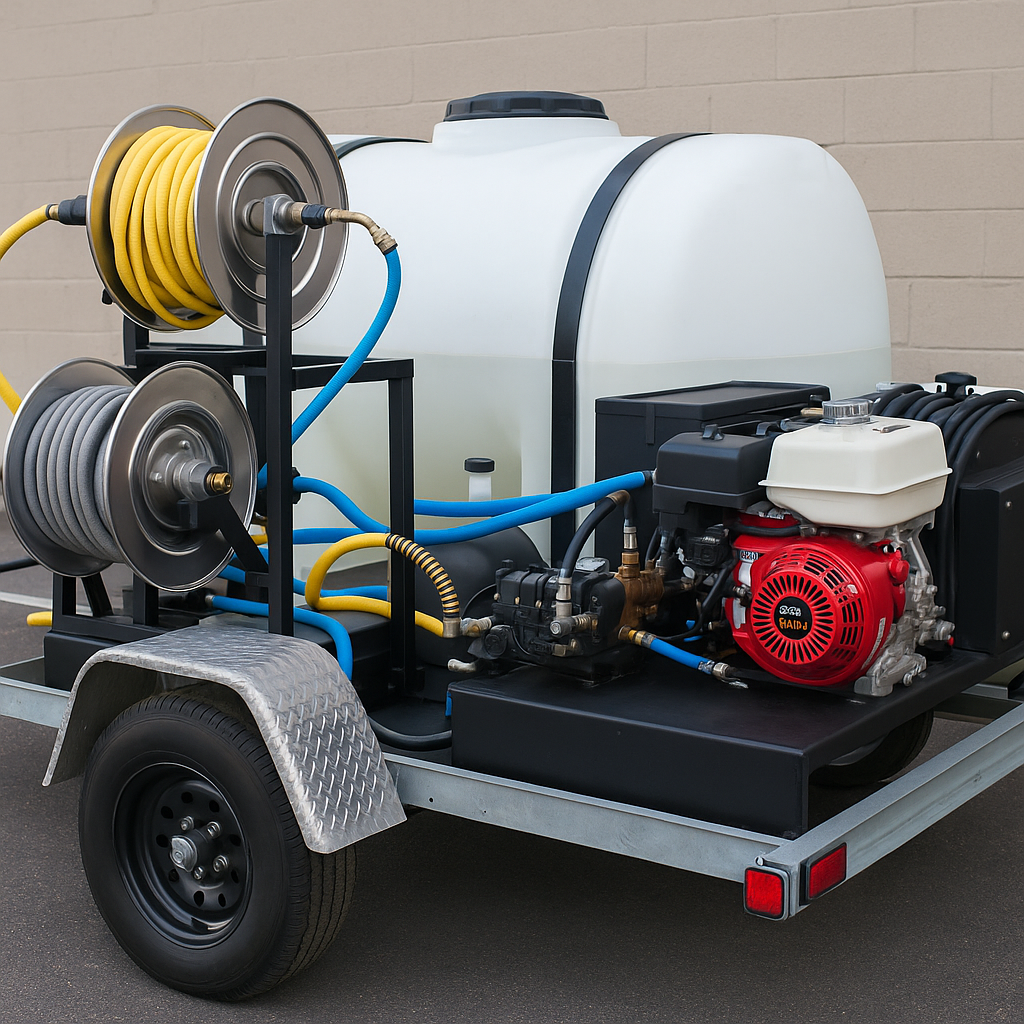
If your work is primarily mobile, moving between different job sites daily, a portable, trailer-mounted or skid-mounted unit is essential. If you primarily service a single large facility, a stationary unit plumbed into a water and fuel supply might be more efficient.
Power Source
Consider the electrical requirements of the unit. Self-contained units, often diesel-fired, are ideal for remote job sites where electrical outlets are scarce. Electric models are best for indoor use where fumes are prohibited. Ensure your on-site power capabilities match the unit’s requirements.
Budget Versus Long-Term Value
While initial cost is a factor, avoiding “cheap” traps is crucial. A low-cost unit may have a lower-quality heating coil or pump, leading to frequent breakdowns and high long-term costs. Focus on durability, reputable brands, and the projected longevity and efficiency of the components. A higher upfront investment in a robust heated power washer almost always yields a greater return on investment over its lifespan through reduced downtime and superior performance.
Ease of Maintenance and Component Accessibility
Minimizing downtime is critical. Opt for units where routine maintenance tasks, like changing fuel filters or descaling, are straightforward and where components are easily accessible for servicing. This ensures rapid repairs and keeps your equipment earning.
Warranty and Post-Purchase Support
A strong warranty signals manufacturer confidence in their product. Even more important is reliable post-purchase support. This includes readily available parts, prompt technical assistance, and knowledgeable service technicians. The true cost of ownership includes the cost of downtime if you cannot get rapid support.
Expert Tips for Vetting Suppliers and Manufacturers
Choosing your equipment supplier is as important as choosing the equipment itself. You need a partner, not just a parts vendor.
Identifying a True Partner
Look for suppliers who actively inquire about your business, your specific challenges, and your growth goals. A true partner offers solutions, not just products. They should have experienced sales teams who understand the nuances of commercial heated power washing applications.
Asking About Quality Control and Field Reliability
Do not hesitate to ask about their manufacturing processes, the testing protocols for their burner system and heating coil, and how they ensure the durability of their pumps. Inquire about their units’ typical lifespan in demanding commercial environments. A transparent supplier will be happy to provide this information.
Emphasizing Readily Available Parts and Expert Technical Support
This is perhaps the most critical factor for a pragmatic professional focused on uptime. Ask about their parts inventory, shipping times, and the qualifications of their technical support staff. Can you speak directly to someone with deep equipment knowledge when an issue arises?
Considering Suppliers Who Offer Training and Resources
Some top-tier suppliers go beyond equipment sales. They might offer training on advanced cleaning techniques, safety protocols for high-temperature operations, or even business development resources. These are invaluable resources that solidify a true partnership.
Operational Excellence: Maintenance, Safety, and Best Practices for Heated Systems
Your focus on “uptime” and avoiding “downtime” is exactly where operational excellence comes into play. Proper maintenance and adherence to safety protocols are paramount for maximizing the lifespan and efficiency of your heated power washer.
Routine Maintenance for Optimal Performance and Longevity
Proactive maintenance prevents costly breakdowns and ensures your investment continues to deliver maximum value.
Burner System Checks
Regularly inspect and replace fuel filters to ensure a clean fuel supply to the burner. Check the nozzle for wear and cleanliness, as a clogged or worn nozzle can significantly impact burner efficiency. Inspect the igniter for proper function. A consistent air-to-fuel mixture is crucial for efficient combustion and to prevent soot buildup.
Heating Coil Descaling and Inspection
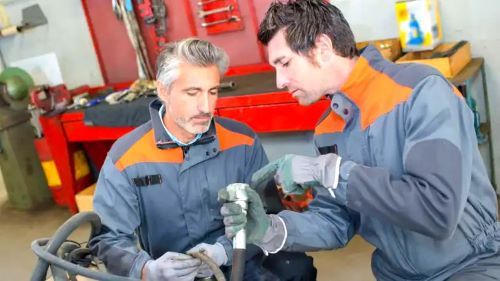
Over time, mineral deposits from hard water can build up inside the heating coil, a process known as descaling. This buildup reduces heating efficiency and can eventually damage the coil. Implement a regular descaling schedule using appropriate chemical solutions. Also, visually inspect the coil for any signs of external damage, cracks, or soot accumulation.
Pump Maintenance
The pump’s performance is vital. Regularly check and change the pump oil according to the manufacturer’s recommendations. Inspect and replace seals and packings as needed to prevent leaks and maintain pressure. Proper winterization is essential in colder climates to prevent freezing and cracking of pump components.
Hose and Accessory Inspection
Before and after each use, inspect hoses for cracks, bulges, or leaks. Check nozzles for wear, ensuring they are not partially clogged, which can affect spray pattern and pressure. Inspect guns and wands for damage. Faulty accessories can compromise safety and efficiency.
Water Source Considerations
The quality of your incoming water significantly impacts your unit’s longevity. Use an inline water filter to prevent sediment from entering the pump and heating coil. If operating in areas with hard water, consider using a water softener or descaling solutions more frequently to mitigate mineral buildup in the coil.
Troubleshooting Common Issues and Preventing Downtime
Knowing how to diagnose and address minor issues can save you significant downtime and repair costs.
Burner Not Firing
If your burner system is not firing, check the fuel level, ensure the fuel filter is not clogged, and inspect the igniter for sparks. Verify that the thermostat is set correctly and that the water flow switch is engaging. Often, a simple adjustment or replacement of a small component can resolve the issue.
Water Not Heating to Desired Temperature
This could indicate a problem with the burner, a clogged heating coil due to descaling needs, or a faulty temperature control sensor. Check fuel supply, air intake, and consider a descaling treatment if efficiency has been gradually decreasing.
Pressure Fluctuations and Pump Issues
Inconsistent pressure can stem from issues like air in the pump (due to leaks in the supply line), worn pump seals or valves, or a partially clogged nozzle. Regularly inspecting these components can preempt major pump failures.
Leaks and Component Wear
Routine visual inspections for leaks around fittings, hoses, and pump seals are crucial. Address small leaks immediately, as they can lead to significant pressure loss and eventual component damage. Listen for unusual noises, which can indicate internal wear.
Safety Protocols for High-Temperature and High-Pressure Operations
Operating a heated power washer involves both high pressure and high temperatures, demanding strict adherence to safety.
Personal Protective Equipment (PPE) Requirements
Always use appropriate PPE, including safety glasses or face shields to protect against splashback, hearing protection due to noise levels, and gloves to protect hands from hot water and chemicals. Steel-toed boots can protect against drops or slips.
Chemical Handling and Dilution
If using detergents or chemicals, always follow manufacturer guidelines for dilution ratios and application methods. Wear chemical-resistant gloves and appropriate respiratory protection if fumes are a concern. Understand the chemical’s interaction with hot water.
Heat-Related Burn Prevention and Steam Hazards
Be acutely aware of steam and hot water hazards. The water exiting the nozzle can be extremely hot, capable of causing severe burns. Ensure hoses are rated for high temperatures and are securely connected. Avoid directing the spray at people, animals, or electrical components.
Electrical Safety for Heated Units
For electrically powered units, ensure the power source is correctly grounded and that all electrical connections are dry and secure. Never operate an electrical unit in standing water or with frayed cords.
Proper Shutdown and Storage Procedures
Follow manufacturer guidelines for proper shutdown sequences, which often involve purging the system of water and releasing pressure. For units used in cold climates, thorough winterization is essential to prevent freeze damage. Store the unit in a clean, dry, and secure location.
Beyond the Machine: Building a Sustainable and Profitable Pressure Washing Empire
A heated power washer is the cornerstone, but your strategic vision extends far beyond the machine itself. It is about leveraging this powerful tool to build a truly sustainable and highly profitable pressure washing empire.
Your heated power washer offers a unique selling proposition for marketing and brand differentiation. Emphasize your ability to provide deeper, more effective cleaning, faster job completion, and superior sanitization capabilities. Highlight the range of commercial heated power washing applications you can now expertly handle, from heavy equipment cleaning to detailed restaurant degreasing. This immediately sets you apart from cold-water-only competitors.
From Tools to Strategy: Turning Heat into Long-Term Business Growth
Crucially, invest in training your team on advanced heated washing techniques and safety. Your crew needs to understand the optimal temperatures for different materials, the nuances of temperature control, and the enhanced safety protocols required for high-heat and high-pressure operations. A well-trained team is more efficient, safer, and delivers consistent, high-quality results.
Strategic pricing for premium services is essential. Do not undersell your enhanced capabilities. Research market rates for deep cleaning, oil removal, and sanitization services that hot water enables, and price your services accordingly. Justify your premium rates by showcasing the superior results, faster turnaround, and higher standards of hygiene you provide.
Scaling Smart: Reinventing Profit Through Capability and Partnership
As your expertise grows with your heated power washer, strategically expand into new, specialized markets. You might discover a niche for industrial painting preparation, specialized fleet detailing, or even highly regulated cleaning in specific manufacturing sectors. Your ability to provide hot water pressure washer benefits across diverse scenarios makes these expansions feasible and profitable.
This forms a continuous cycle of investment, efficiency, and profit. Your heated power washer allows you to take on higher-paying jobs, which generates more revenue. This revenue can then be reinvested into further equipment upgrades, team training, or marketing efforts, further enhancing your capabilities and market reach.

The Right Partner: Protecting Uptime, Enabling Growth
The role of a trusted equipment partner in your long-term business success cannot be overstated. They are more than just a vendor; they are a reliable source for high-quality equipment, expert technical support, readily available parts, and sometimes, invaluable business growth resources. This partnership provides the peace of mind that your critical tools will remain operational, protecting your “uptime” and enabling your growth.
Ultimately, your heated power washer solidifies your reputation as the go-to expert for challenging cleaning jobs. You will be the one clients call when cold water just is not cutting it, when deeply embedded stains persist, or when sanitization is paramount. This positions your business not just as a service provider, but as a true solution provider, driving sustained profitability and securing your place as a leader in the pressure washing industry.
Discover how unlocking profitability with a heated power washer can elevate your service offerings and profit margins. It is time to invest in your business’s future and unlock a new realm of cleaning possibilities.
More Useful Blogs:
- Gas vs. Diesel Power Washer: In-Depth Analysis
An extended look into fuel type differences, operating costs, and maintenance insights for long-term ownership. - Commercial Pressure Washing Trailer Maintenance Tips
Maintain your commercial pressure washing trailer to extend life and maximize profits. - Custom Pressure Washer Cart: Agile Solutions for Tough Job Sites
Custom pressure washer carts provide agility, durability, and efficiency, helping you tackle tough cleaning jobs with ease. - Demystifying Your Machine: Understanding the Parts of a Pressure Washer
Simplify maintenance and troubleshooting by learning how each component keeps your machine running efficiently. - The Professional’s Edge: Why a Heated Pressure Washer is Your Ultimate Business Accelerator
Boost cleaning speed and profits with a heated pressure washer—your key to professional-grade performance. - Hot Pressure Washer Trailer: Mobile Power for Pro Cleaners
Get unmatched cleaning performance and mobility with a professional-grade hot water trailer setup.