Introduction: Why Professional-Grade Equipment Matters
In the world of professional cleaning and contracting, the difference between a good reputation and a bad one often comes down to reliability and results. Clients expect pristine surfaces, quick turnaround, and consistency. That’s where a power washer professional system proves its worth.
Consumer-grade washers may handle light residential driveways, but they crumble under daily industrial demands. A professional power washer is purpose-built for long runtimes, high-pressure performance, and efficient operation, making it an investment in profitability, not just a tool purchase.
The key takeaway? For professionals, it’s not about blasting water — it’s about efficiency, uptime, and long-term growth.
What Defines a Professional Power Washer?
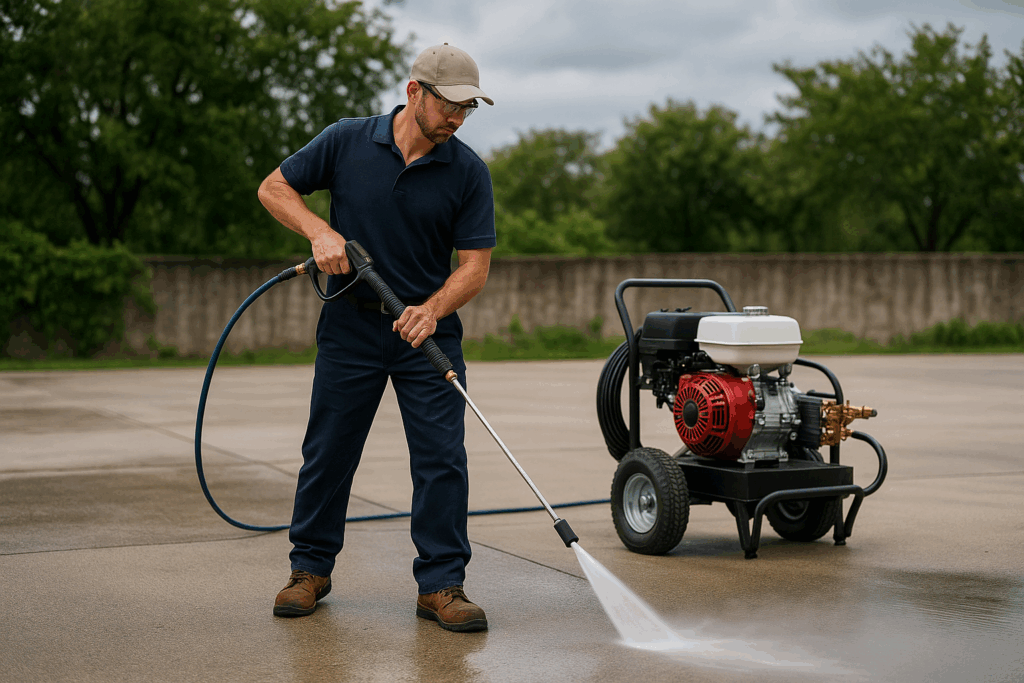
Unlike consumer or even mid-tier commercial models, professional power washers are designed for continuous operation and heavy workloads.
Core Characteristics:
- High-Performance Engines: Industrial-grade Honda GX, Kohler Command Pro, or Vanguard engines.
- Durable Pumps: Triplex plunger pumps (rebuildable, efficient, long-lasting).
- Strong Frames: Powder-coated steel or aluminum frames resistant to rust and vibration.
- Higher PSI & GPM: Typically 3,000–5,000 PSI and 4–10 GPM, delivering speed and force.
- Customization Options: Hot vs cold water, skid-mounted, trailer-mounted, or portable carts.
- Safety Features: Thermal relief valves, unloader systems, and reinforced hoses.
This balance ensures you don’t just clean faster — you clean smarter and more profitably.
The Professional Advantage: Key Benefits
1. Superior Cleaning Power
Where consumer models sputter, professionals thrive. Higher PSI removes stubborn stains, while higher GPM rinses larger areas faster. Example: cleaning 50 fleet trucks in one night with a professional unit vs. struggling with 5 trucks on a consumer model.
2. Durability & Longevity
Built for 40+ hours of weekly operation, these units thrive in tough industrial environments. Premium engines, pumps, and hoses ensure years of service.
3. Operational Efficiency
Faster cleaning = fewer labor hours. If one pro-grade machine saves you an hour per job, across 200 jobs per year, that’s 200 extra billable hours you can reinvest in growth.
4. Versatility Across Sectors
Professional washers adapt with accessories: soft wash nozzles for delicate surfaces, turbo nozzles for stubborn grime, and hot-water modules for grease-heavy jobs.
5. Return on Investment (ROI)
A professional washer may cost $3,000–$10,000 upfront, but over time it delivers reduced downtime, higher productivity, and stronger resale value.
Common Applications for Power Washer Professionals
Construction & Heavy Equipment Cleaning
- Removes mud, grease, and cement residue.
- Keeps excavators, bulldozers, and loaders in compliance with inspection standards.
Fleet & Transportation
- Washes dozens of trucks, buses, or trailers in hours.
- Prevents rust and improves corporate image.
Industrial Facilities
- Degreases factory floors and machinery.
- Maintains sanitary conditions in food-processing environments.
Residential Services
- Driveways, sidewalks, siding, and roofs.
- Increases efficiency for contractors scaling local businesses.
Agriculture
- Cleans barns, tractors, and processing areas.
- Reduces contamination risks in food production.
Marine & Oil/Gas
- Tackles salt corrosion on boats and docks.
- Handles oily residues in industrial marine settings.
A professional washer is essentially a cross-industry powerhouse.
Choosing the Right Professional Power Washer
When buying, align machine specs with business goals:
- Engine Type: Gas (versatile), Diesel (long shifts), Electric (indoor).
- Pump Type: Triplex only — axial/wobble pumps won’t last.
- Hot vs Cold Water: Cold is fine for general jobs; hot water cuts grease and sanitizes.
- PSI vs GPM Balance: More PSI = stain removal. More GPM = speed.
- Mounting Options: Trailer-mounted, skid-mounted, or portable carts depending on mobility needs.
- Material Durability: Stainless steel for marine jobs; powder-coated steel for construction.
Think of it as choosing a business partner — the wrong machine will cost you contracts.
Maintenance: Protecting Your Investment
Professional machines demand professional care. A solid routine ensures maximum uptime.
- Engine Care: Regular oil changes, spark plug checks (gas), or fuel filter replacements (diesel).
- Pump Maintenance: Change pump oil every 200–500 hours; inspect seals and valves.
- Hose & Nozzle Checks: Replace worn parts — weak spray patterns reduce efficiency.
- Winterization: Flush water and add antifreeze before storage in freezing climates.
- Air Filters: Keep dust out; replace more often on construction sites.
- Maintenance Logs: Track servicing for resale value and compliance.
Downtime is expensive. Preventive maintenance ensures profitability stays intact.
Power Washer Professional vs. Consumer Models
| Feature | Professional Power Washer | Consumer Washer |
|---|---|---|
| Power (PSI/GPM) | 3,000–5,000 PSI / 4–10 GPM | 1,500–2,000 PSI / 1–2 GPM |
| Durability | Continuous duty, industrial-grade | Occasional use only |
| Mobility | Trailer/skid/cart setups | Portable but limited |
| Applications | Industrial, commercial, residential | Light home cleaning |
| ROI | Long-term profitability | No business ROI |
Bottom line: Consumer models clean patios. Professional washers build businesses.
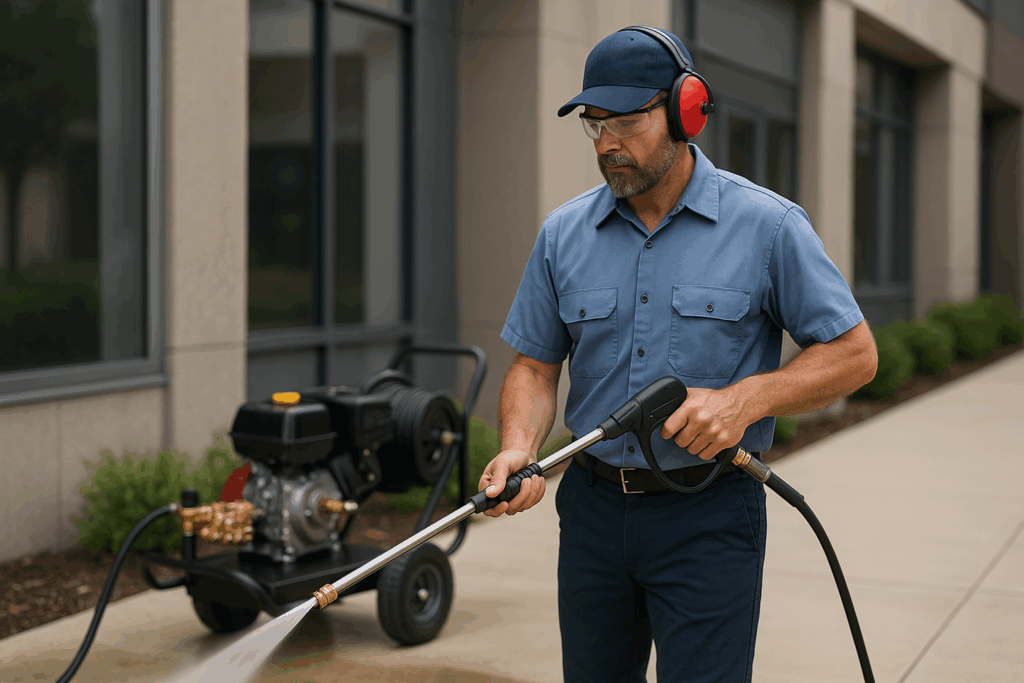
Safety Considerations
A professional-grade machine is powerful, but also potentially hazardous.
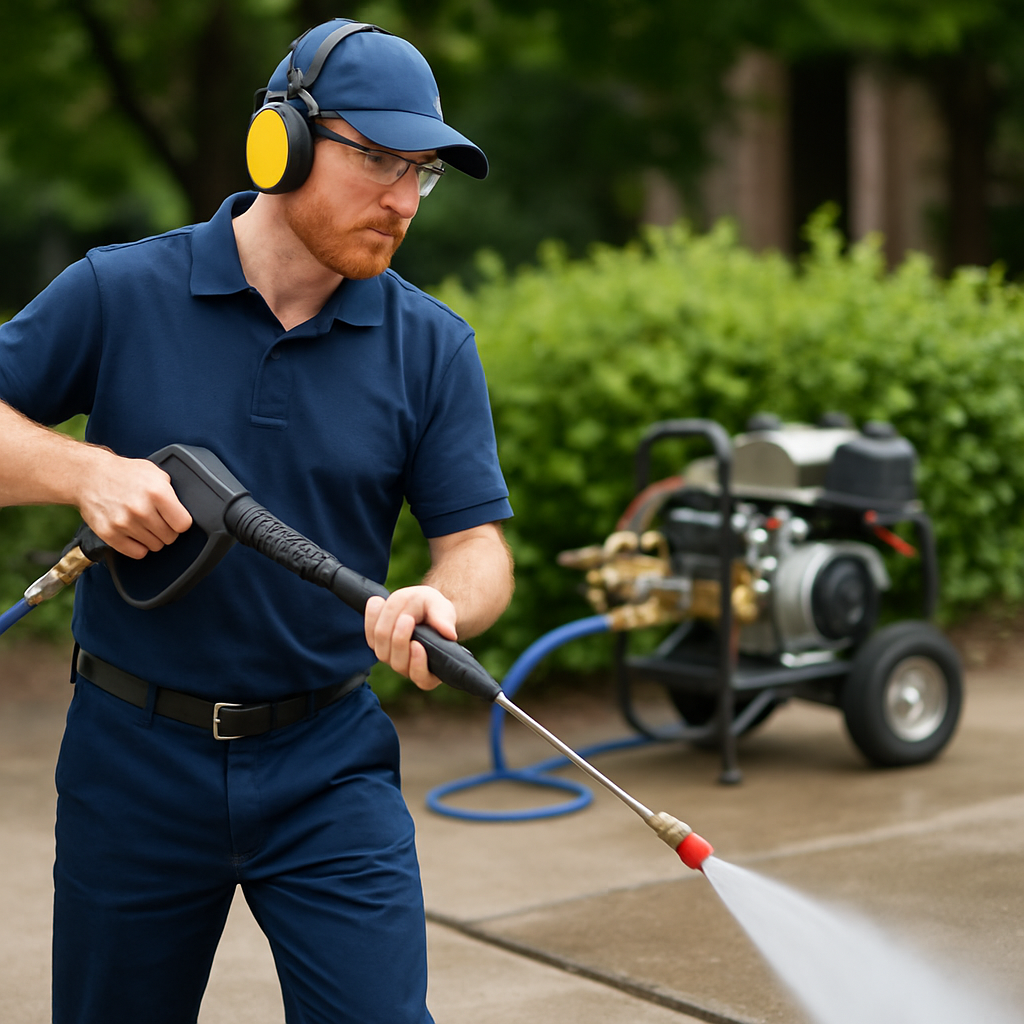
- Protective Gear: Goggles, gloves, boots.
- Carbon Monoxide Risks: Never run gas/diesel indoors.
- Correct Nozzle Use: Wrong nozzle = damaged surfaces.
- Hot Water Units: Handle carefully to avoid burns.
- Training Matters: Ensure operators know both safety and efficiency techniques.
ROI: The Business Case for Professional Washers
A power washer professional unit is more than an expense. It’s an income generator.
- Reduced Downtime: More billable hours per month.
- Faster Jobs: Increased daily job capacity.
- Bigger Contracts: Industrial clients trust pros with pro gear.
- Resale Value: Retains worth when you upgrade.
Every dollar invested delivers long-term dividends in uptime and profitability.
Final Thoughts
For serious contractors, an entry-level machine isn’t enough. A power washer professional setup is the backbone of your cleaning business. It enables you to:
- Tackle complex, high-value jobs.
- Deliver consistent results clients trust.
- Expand into new markets confidently.
Ultimately, it’s not just a tool — it’s a strategic investment in your reputation, efficiency, and financial independence.
5 Useful Blogs
- Gas Pressure Washer: Power, Performance & Practical Advantages
Explore how gas pressure washers deliver unmatched cleaning power, mobility, and durability, making them the go-to choice for professionals tackling heavy-duty jobs. - Commercial Power Washer: Expert Guide to Maximize Uptime & Profitability
Learn how the right commercial power washer boosts efficiency, reduces downtime, and maximizes profitability for pressure washing businesses. - Custom Pressure Washer: Engineered for Your Unique Business Needs
See why tailored pressure washer builds outperform generic models by addressing specific challenges with durability, precision, and reliability. - Hot Water Pressure Washer Advantages
Discover how heated washers cut through grease, oil, and tough grime faster, saving time and increasing cleaning effectiveness. - Pressure Washer Comparison: Gas vs Electric vs Diesel
Compare gas, electric, and diesel pressure washers to understand key differences in power, cost, and ROI so you can choose the best fit for your needs.